English
- English
-
 שפה עברית
 -
 繁体中文
繁体中文 -
 Latviešu
 -
 беларускі
 -
 Hrvatski
 -
 lugha ya Kiswahili
 -
 አማርኛ
አማርኛ -
 ქართული
 -
 Hausa
Hausa -
 Zulu
Zulu -
 Հայերեն
 -
 Igbo
Igbo -
 Yoruba
 -
 Español
 -
 Português
 -
 русский
 -
 Français
 -
 日本語
日本語 -
 Deutsch
 -
 tiếng Việt
 -
 Italiano
 -
 Nederlands
 -
 ภาษาไทย
 -
 Polski
 -
 Svenska
 -
 magyar
 -
 Malay
Malay -
 Dansk
Dansk -
 Suomi
Suomi -
 हिन्दी
 -
 Pilipino
 -
 Türkçe
 -
 العربية
 -
 Indonesia
 -
 Norsk
Norsk -
 český
český -
 ελληνικά
 -
 український
 -
 فارسی
فارسی -
 български
 -
 Қазақша
 -
 Azərbaycan
 -
 Slovenský jazyk
 -
 Lietuvos
 -
 Eesti Keel
 -
 Română
 -
 Slovenski
 -
 Srpski језик
 -
 한국어
한국어


How Does Nail Drill Electric Work?
Article Abstract
The nail drill electric has become an essential tool in modern manicure and pedicure practices, both for professional salons and home users. It significantly improves efficiency, precision, and comfort when shaping nails, removing gel polish, or refining cuticles. However, many users still face challenges such as improper usage, nail damage, overheating, and selecting the right drill bits. This article provides a comprehensive understanding of how electric nail drills work, how to use them safely, and how to choose the right model to solve common pain points. Whether you are a beginner or a professional nail technician, this guide will help you maximize performance while ensuring nail health and safety.
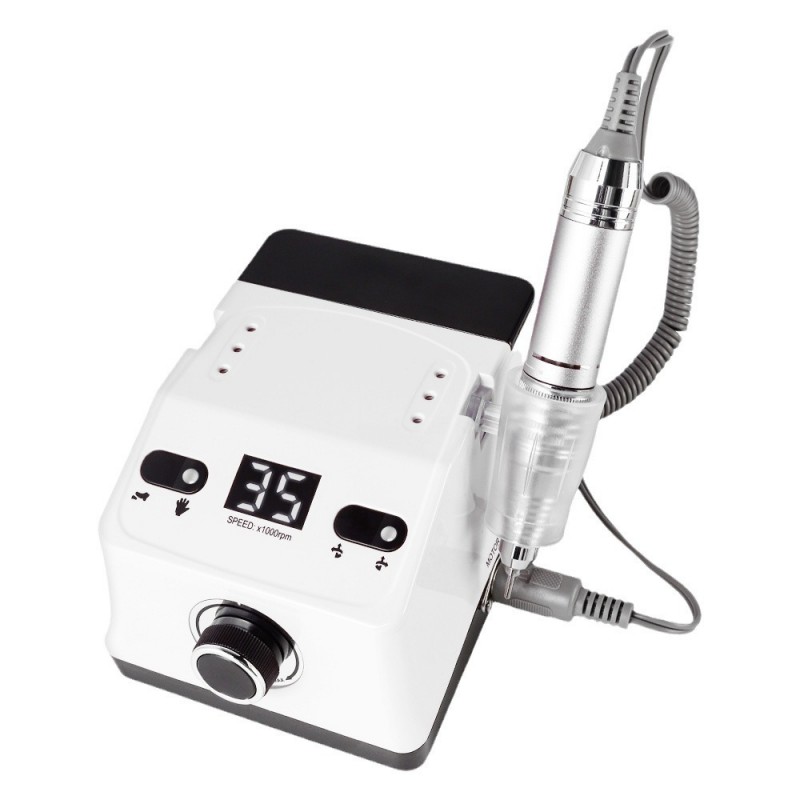
Table of Contents
1. Overview of Nail Drill Electric Technology
A nail drill electric is a motor-powered device designed to rotate specialized drill bits at high speeds for nail care procedures. Unlike manual nail files, electric drills provide consistent rotational force, allowing for faster and more precise work. These devices are widely used in acrylic nail shaping, gel removal, cuticle cleaning, and nail surface smoothing.
Modern nail drills have evolved with features such as adjustable speed control, low vibration motors, rechargeable batteries, and ergonomic handpieces. These improvements address user discomfort, fatigue, and safety concerns that were common in older models.
2. Working Principle Explained
The working principle of a nail drill electric is based on a compact electric motor that converts electrical energy into rotational mechanical energy. This rotation is transferred to the drill bit attached to the handpiece.
The speed of rotation is measured in RPM (revolutions per minute), typically ranging from 5,000 to 35,000 RPM depending on the model. Higher RPMs are used for professional nail sculpting, while lower speeds are ideal for natural nail care.
- Electric current powers the motor
- Motor drives the internal shaft
- Shaft rotates the handpiece
- Drill bit performs nail filing or polishing
3. Key Components of a Nail Drill Electric
Understanding the structure of the device helps users operate it more effectively and avoid misuse.
- Main Control Unit: Adjusts speed and power settings
- Handpiece: The pen-like tool held by the user
- Drill Bits: Attachments for different nail functions
- Power Supply: Battery or direct electric source
- Cooling System: Prevents overheating during extended use
4. How to Use a Nail Drill Safely
Improper use of a nail drill electric can lead to nail thinning, heat damage, or discomfort. Follow these safety steps to ensure optimal results:
- Start with the lowest speed setting before increasing gradually.
- Hold the handpiece like a pencil for better control.
- Keep the drill moving to avoid friction heat buildup.
- Do not press too hard against the nail surface.
- Choose the correct drill bit for each task.
Beginners should practice on artificial nails before working on natural nails to reduce the risk of damage.
5. Common Problems and Solutions
| Problem | Cause | Solution |
|---|---|---|
| Nail overheating | High RPM or prolonged contact | Reduce speed and use intermittent contact |
| Uneven nail shaping | Incorrect drill bit usage | Use proper grit and technique |
| Device vibration | Poor-quality motor or loose bit | Tighten bit or upgrade device |
| Nail thinning | Over-filing | Limit exposure time per nail |
6. Comparison Table of Nail Drill Types
| Type | Power Source | Best For | Speed Range |
|---|---|---|---|
| Portable Nail Drill | Rechargeable Battery | Home use & travel | 5,000 - 25,000 RPM |
| Professional Nail Drill | Electric Plug-in | Salon use | 10,000 - 35,000 RPM |
| Mini Nail Drill | USB powered | Light nail polishing | 5,000 - 15,000 RPM |
7. Buying Guide for Nail Drill Electric
When selecting a nail drill electric, users should consider performance, durability, and comfort. Below are key factors to evaluate:
- Motor Power: Stronger motors ensure stable performance
- Noise Level: Low-noise operation improves user comfort
- Speed Control: Adjustable RPM settings are essential
- Ergonomics: Lightweight handpieces reduce fatigue
- Heat Dissipation: Prevents overheating during long sessions
Choosing a reliable manufacturer ensures product longevity and safety during use.
8. Frequently Asked Questions
Q1: Is a nail drill electric safe for beginners?
Yes, if used at low speed with proper training and correct drill bits.
Q2: Can it damage natural nails?
Improper use can cause damage, but correct technique prevents harm.
Q3: How often should drill bits be replaced?
It depends on usage frequency, but generally every 3–6 months for professionals.
Q4: What RPM is best for natural nails?
A range of 5,000–15,000 RPM is recommended for natural nail care.
Q5: Can nail drills be used for pedicures?
Yes, they are commonly used for both manicure and pedicure applications.
Conclusion
The nail drill electric is a powerful and versatile tool that transforms nail care efficiency when used correctly. Understanding its working mechanism, components, and safe usage techniques is essential for achieving professional-quality results while maintaining nail health. Whether for salon professionals or personal users, selecting a high-quality device makes a significant difference in performance and safety.
Shenzhen Ruina Optoelectronic Co.,Ltd specializes in advanced nail care tools designed for precision, durability, and user comfort. If you are looking for reliable solutions and professional-grade nail drill electric products, contact us today to explore more options and technical support.
Send Inquiry



X
We use cookies to offer you a better browsing experience, analyze site traffic and personalize content. By using this site, you agree to our use of cookies.
Privacy Policy