English
- English
-
 שפה עברית
 -
 繁体中文
繁体中文 -
 Latviešu
 -
 беларускі
 -
 Hrvatski
 -
 lugha ya Kiswahili
 -
 አማርኛ
አማርኛ -
 ქართული
 -
 Hausa
Hausa -
 Zulu
Zulu -
 Հայերեն
 -
 Igbo
Igbo -
 Yoruba
 -
 Español
 -
 Português
 -
 русский
 -
 Français
 -
 日本語
日本語 -
 Deutsch
 -
 tiếng Việt
 -
 Italiano
 -
 Nederlands
 -
 ภาษาไทย
 -
 Polski
 -
 Svenska
 -
 magyar
 -
 Malay
Malay -
 Dansk
Dansk -
 Suomi
Suomi -
 हिन्दी
 -
 Pilipino
 -
 Türkçe
 -
 العربية
 -
 Indonesia
 -
 Norsk
Norsk -
 český
český -
 ελληνικά
 -
 український
 -
 فارسی
فارسی -
 български
 -
 Қазақша
 -
 Azərbaycan
 -
 Slovenský jazyk
 -
 Lietuvos
 -
 Eesti Keel
 -
 Română
 -
 Slovenski
 -
 Srpski језик
 -
 한국어
한국어


Is a Lightweight Quiet Nail Buffer Manicure Home Device Worth It?
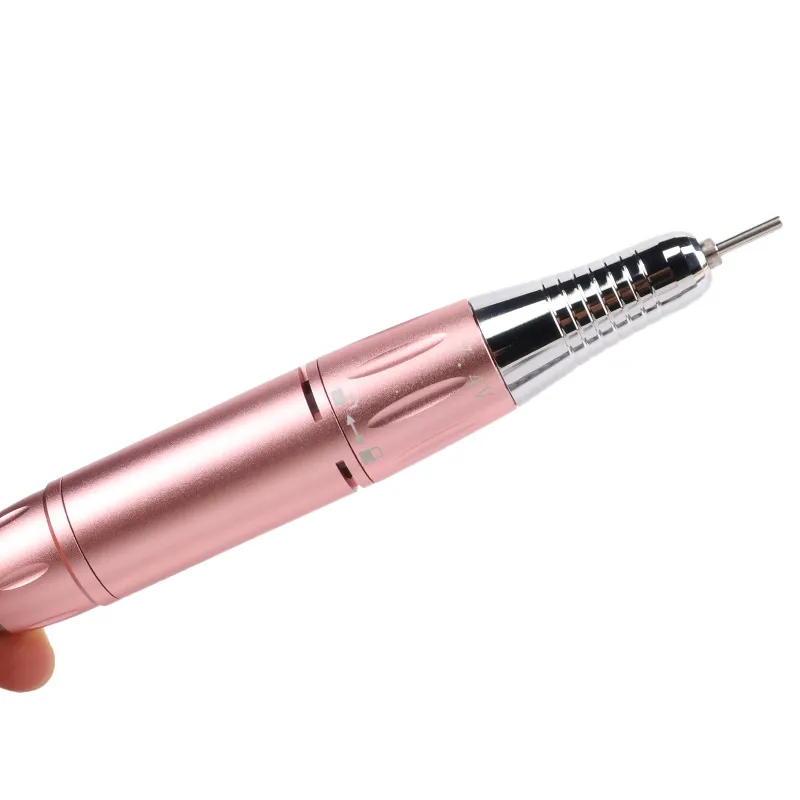
The growing popularity of at-home beauty care is reshaping the professional nail care industry. Consumers increasingly expect manicure tools to be compact, comfortable, quiet, and easy to operate without sacrificing practical performance. This trend has created new opportunities for manufacturers developing equipment for both personal and professional nail care environments. A Lightweight Quiet Nail Buffer Manicure Home Device reflects this shift by combining portability, reduced operating noise, and convenient nail surface care in a compact format.
Unlike traditional manicure equipment designed mainly for professional salons, newer home-oriented devices place greater emphasis on user comfort and simple operation. The objective is not simply to make a smaller device, but to create a more approachable solution for users who want greater control over their regular nail care routines.
The Shift Toward Convenient Nail Care at Home
Home beauty care has become an important part of the wider personal care market. Nail maintenance is particularly suitable for this trend because many routine procedures can be performed without a complex salon setup. Users may want to smooth nail surfaces, refine edges, prepare nails for polish, or maintain an existing manicure between professional appointments.
This change in consumer behavior is influencing how nail equipment is designed. Large or complicated tools may not fit naturally into a home environment, especially when users have limited storage space or share living areas with family members. Compact equipment can provide a more practical alternative while supporting a wider range of everyday manicure activities.
Why Compact Design Matters
A compact nail care device can be stored easily in a bathroom cabinet, dressing area, beauty case, or personal workstation. Portability also allows users to move the equipment between different locations without creating a significant burden.
For manufacturers, compact design requires careful consideration of internal components, housing structure, motor performance, heat management, and user controls. The smaller physical footprint should not result in an uncomfortable grip or unstable operation. Good industrial design therefore balances size with usability rather than focusing on miniaturization alone.
Comfort Is Becoming Part of Product Performance
Manicure work often involves repetitive movements and close visual attention. When a device is used for an extended period, excessive vibration, uncomfortable handling, or an awkward operating position may reduce the overall experience.
Modern nail equipment therefore increasingly considers ergonomics as part of functional performance. A well-balanced body, intuitive controls, and comfortable handling can make routine nail care easier for different types of users. These details are especially important for home users who may have limited experience with professional nail equipment.
Quiet Operation Supports a More Comfortable Beauty Environment
Noise is an important consideration for electrical beauty equipment. A loud motor can make an otherwise simple manicure session feel less comfortable, particularly when the device is used in a bedroom, apartment, shared workspace, or other quiet environment.
Low-noise operation can help create a more relaxed experience. It also makes the equipment easier to integrate into everyday routines without creating unnecessary disturbance. For professional nail technicians, quieter equipment can contribute to a more pleasant salon atmosphere, especially when several services are performed throughout the day.
Motor Performance and Noise Control
Reducing operating noise requires more than simply selecting a quiet motor. Product engineers may need to consider motor balance, internal mounting, housing materials, airflow, vibration transmission, and the interaction between rotating components.
Effective engineering seeks to maintain stable operation while controlling unnecessary mechanical vibration. When these elements are properly coordinated, the equipment can deliver a smoother operating experience while preserving the functionality required for routine nail care.
| Design Consideration | Practical Benefit |
|---|---|
| Low-Noise Operation | Creates a more comfortable environment during nail care |
| Balanced Construction | Helps reduce unnecessary vibration during use |
| Compact Housing | Makes storage and transportation more convenient |
| Ergonomic Handling | Supports comfortable operation during detailed work |
| Simple Controls | Makes routine operation easier for home users |
How Modern Nail Buffing Equipment Fits Different Applications
Nail buffing is not limited to one specific manicure technique. Depending on the user's objective, equipment may be used to smooth uneven nail surfaces, refine edges, prepare nails before applying coatings, or maintain a neat appearance between professional treatments.
The versatility of modern equipment allows manufacturers to develop solutions that can serve several application environments. Home users may value convenience and simple operation, while professional technicians may place greater emphasis on handling, consistency, and compatibility with their existing workflow.
Home Manicure Applications
At home, users generally prefer equipment that does not require complicated preparation. A compact device can be used as part of a personal grooming routine and stored immediately after use.
Its practical applications may include surface smoothing, edge refinement, manicure preparation, and general nail maintenance. When used correctly, appropriate buffing equipment can help users achieve a cleaner nail surface before applying polish or other cosmetic products.
Professional Nail Service Applications
Professional nail technicians may also benefit from compact equipment when performing detailed preparation or finishing work. The ability to handle smaller areas precisely can be valuable during intricate manicure procedures.
Professional use also places greater importance on durability and maintenance. Equipment intended for frequent salon use should be designed with materials and components capable of supporting repeated operation and regular cleaning.
Product Design Is Moving Beyond Traditional Nail Tools
The development of modern nail care equipment reflects a broader transformation in the beauty technology sector. Consumers are becoming more familiar with electrically powered beauty tools, while manufacturers are combining engineering principles with aesthetic product design.
This evolution means that nail equipment is increasingly expected to look appropriate in both professional and domestic environments. Product appearance, surface finish, grip design, control placement, and overall proportions can all influence how users perceive quality.
Balancing Appearance With Practical Engineering
A visually attractive product still needs to perform reliably. Housing design should protect internal components while allowing appropriate ventilation and comfortable handling. Controls should be easy to identify and operate without distracting the user during detailed work.
At the same time, the exterior should be easy to maintain. Nail care environments may involve dust generated during filing or buffing, cosmetic residues, and frequent cleaning. A practical surface design can make routine maintenance easier and contribute to a more professional user experience.
Ergonomics in Everyday Nail Equipment
Ergonomics has become increasingly important as nail care devices move into personal home environments. Users may not have professional training, so equipment should communicate its intended operation clearly through its physical design and controls.
A comfortable grip can provide better handling, while balanced weight distribution can make detailed movements easier to manage. These characteristics can also reduce unnecessary hand adjustment during use and help users maintain better control over the working area.
Safety and Maintenance Remain Essential
Convenience should never replace responsible product use. Nail equipment is designed to interact directly with the nail surface, so users should follow appropriate operating practices and select accessories that match the intended application.
Manufacturers also have an important role in product safety. Appropriate material selection, component testing, electrical protection, mechanical inspection, and quality control contribute to reliable product performance.
Maintaining Clean Working Conditions
Regular cleaning is particularly important for manicure equipment. Dust and cosmetic residue should not be allowed to accumulate around functional components. Cleaning procedures should follow the manufacturer's recommendations and should not introduce excessive moisture into electrical areas.
For professional environments, maintenance routines should also fit existing hygiene procedures. Easy-to-clean surfaces and practical component structures can help technicians keep equipment ready for repeated use.
Responsible Product Development
Reliable nail equipment begins with responsible engineering. Manufacturers need to consider the entire product lifecycle, from material selection and component sourcing to assembly, testing, packaging, and after-sales support.
Consistent quality management can help reduce performance variations between production batches. It also provides manufacturers with a foundation for continuous improvement as feedback from professional users and home consumers becomes available.
International Standards Influence Nail Equipment Development
As nail care products enter international markets, manufacturers need to understand different regulatory expectations. Electrical beauty equipment may be subject to market-specific requirements related to electrical safety, electromagnetic compatibility, energy efficiency, and material restrictions.
Compliance therefore becomes an important part of international product development. Manufacturers with experience serving multiple regions are better positioned to integrate regulatory considerations into product design rather than treating certification as a final-stage procedure.
| Market Requirement | Manufacturing Focus |
|---|---|
| Electrical Safety | Reliable electrical design and product testing |
| Electromagnetic Compatibility | Appropriate control of electromagnetic interference |
| Material Compliance | Responsible selection of compliant components and materials |
| Energy Considerations | Efficient product design where applicable |
| Quality Consistency | Controlled manufacturing and inspection procedures |
OEM and ODM Services Create New Opportunities for Nail Brands
The expansion of the home nail care market is also encouraging beauty brands to develop specialized product lines. Instead of relying entirely on generic products, companies increasingly seek equipment that reflects their own brand identity and market positioning.
OEM and ODM manufacturing can support this development by allowing brands to adjust product specifications, appearance, packaging, and branding elements according to their commercial requirements. This approach can be particularly useful for companies seeking to build a consistent product portfolio across different nail care categories.
Customization Beyond Product Appearance
Customization can involve more than adding a logo. Product structure, color selection, packaging configuration, user instructions, and other presentation elements can be adapted to suit different markets.
Technical customization may also help address specific application requirements. Manufacturers with dedicated research and development capabilities can work with brands to evaluate product concepts and improve designs before mass production.
Building Consistent Brand Experiences
Packaging and product appearance have become increasingly important in the beauty industry. A coordinated visual identity can help create a recognizable product family and provide a more consistent experience across online and offline sales channels.
For nail equipment brands, the combination of functional performance and thoughtful presentation can strengthen product positioning. This is especially relevant for home-use devices, where appearance and ease of use can influence consumer perception alongside technical specifications.
What the Future May Bring for Home Nail Care Equipment
The future of nail care equipment is likely to be shaped by the continuing convergence of professional technology and personal beauty routines. Consumers want tools that are easy to understand, comfortable to use, and suitable for modern living environments.
Compact engineering, quiet operation, ergonomic handling, and adaptable product design are therefore expected to remain important development directions. Manufacturers may also place greater attention on energy efficiency, material durability, maintenance convenience, and intelligent control as technology continues to advance.
From Professional Equipment to Everyday Beauty Technology
The distinction between professional and home nail equipment is becoming less rigid. Consumers are increasingly interested in products that bring selected professional functions into personal beauty routines, while salons continue to seek compact and efficient tools that improve workstation flexibility.
This creates a broader opportunity for specialized manufacturers. Rather than treating home-use equipment as a simplified version of professional machinery, product developers can design solutions around the specific habits, expectations, and environments of home users.
A Lightweight Quiet Nail Buffer Manicure Home Device represents this broader industry direction. Its value lies not simply in compact size, but in the combination of quiet performance, practical handling, convenient storage, and suitability for routine nail care. As the nail industry continues to prioritize user experience, these characteristics are becoming increasingly relevant to both product development and market positioning.
Why Specialized Manufacturing Matters to the Nail Care Industry
Specialization can provide important advantages when developing professional beauty equipment. A manufacturer focused specifically on nail care can devote its engineering resources, product development experience, and quality management processes to the particular requirements of nail technicians and beauty professionals.
Shenzhen Ruina Optoelectronic Co., Ltd. has focused on the professional nail care industry since its establishment, developing and manufacturing equipment for nail technicians and beauty professionals in international markets. Its product development approach is centered on nail care rather than general beauty equipment, allowing the company to build specialized knowledge around the practical demands of this field.
The company also supports international market development through recognized certifications and manufacturing standards covering major markets in Europe, North America, and Asia. Its OEM and ODM capabilities extend from product specification adjustments and design modifications to branded packaging, color customization, and private labeling.
With dedicated production, design, sales, and support operations, Shenzhen Ruina Optoelectronic Co., Ltd. provides a specialized manufacturing foundation for businesses seeking professional nail care equipment and customized product solutions. As the industry continues moving toward quieter, more ergonomic, and more convenient nail care technology, its focused experience positions the company to support the evolving requirements of global nail care brands and professionals.
Send Inquiry



X
We use cookies to offer you a better browsing experience, analyze site traffic and personalize content. By using this site, you agree to our use of cookies.
Privacy Policy