English
- English
-
 שפה עברית
 -
 繁体中文
繁体中文 -
 Latviešu
 -
 беларускі
 -
 Hrvatski
 -
 lugha ya Kiswahili
 -
 አማርኛ
አማርኛ -
 ქართული
 -
 Hausa
Hausa -
 Zulu
Zulu -
 Հայերեն
 -
 Igbo
Igbo -
 Yoruba
 -
 Español
 -
 Português
 -
 русский
 -
 Français
 -
 日本語
日本語 -
 Deutsch
 -
 tiếng Việt
 -
 Italiano
 -
 Nederlands
 -
 ภาษาไทย
 -
 Polski
 -
 Svenska
 -
 magyar
 -
 Malay
Malay -
 Dansk
Dansk -
 Suomi
Suomi -
 हिन्दी
 -
 Pilipino
 -
 Türkçe
 -
 العربية
 -
 Indonesia
 -
 Norsk
Norsk -
 český
český -
 ελληνικά
 -
 український
 -
 فارسی
فارسی -
 български
 -
 Қазақша
 -
 Azərbaycan
 -
 Slovenský jazyk
 -
 Lietuvos
 -
 Eesti Keel
 -
 Română
 -
 Slovenski
 -
 Srpski језик
 -
 한국어
한국어


Home
>
Products > Sterilizer
> High Temperature Sterilizer
>
High-Temperature Sterilizer Cabinet High-Heat Disinfection Cabinet


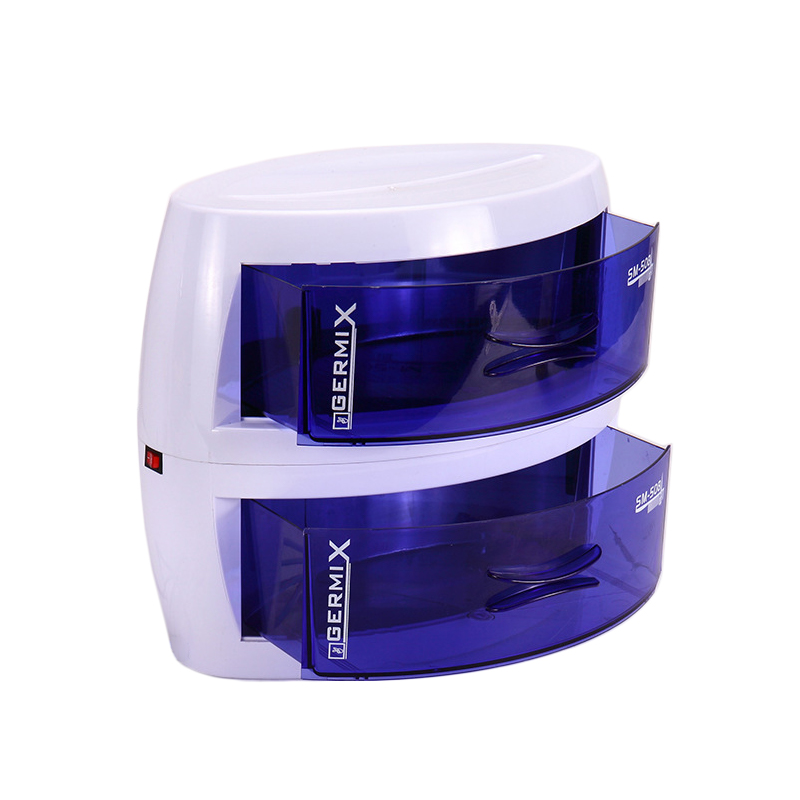
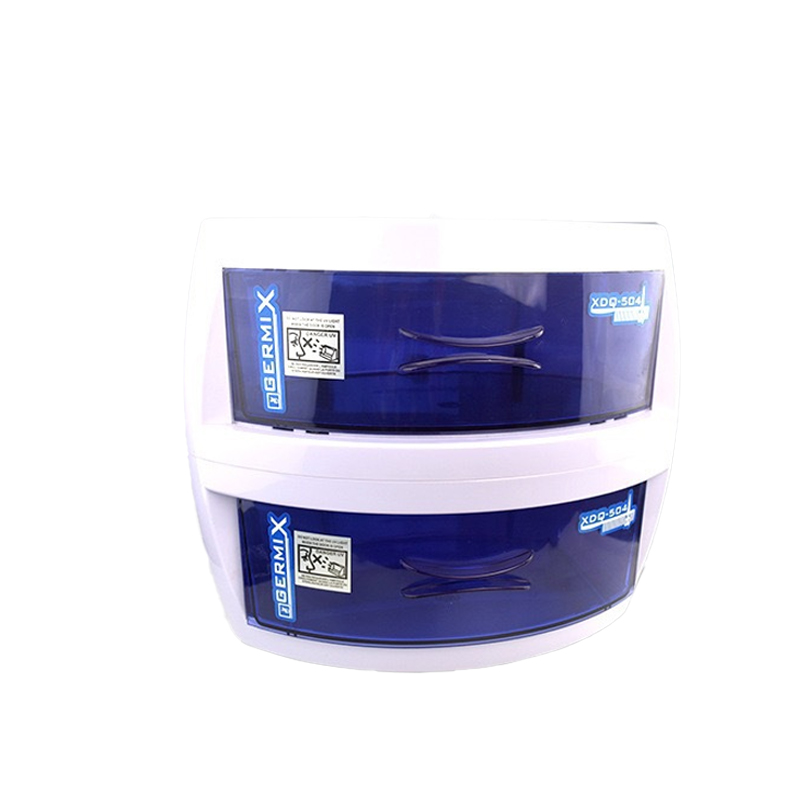
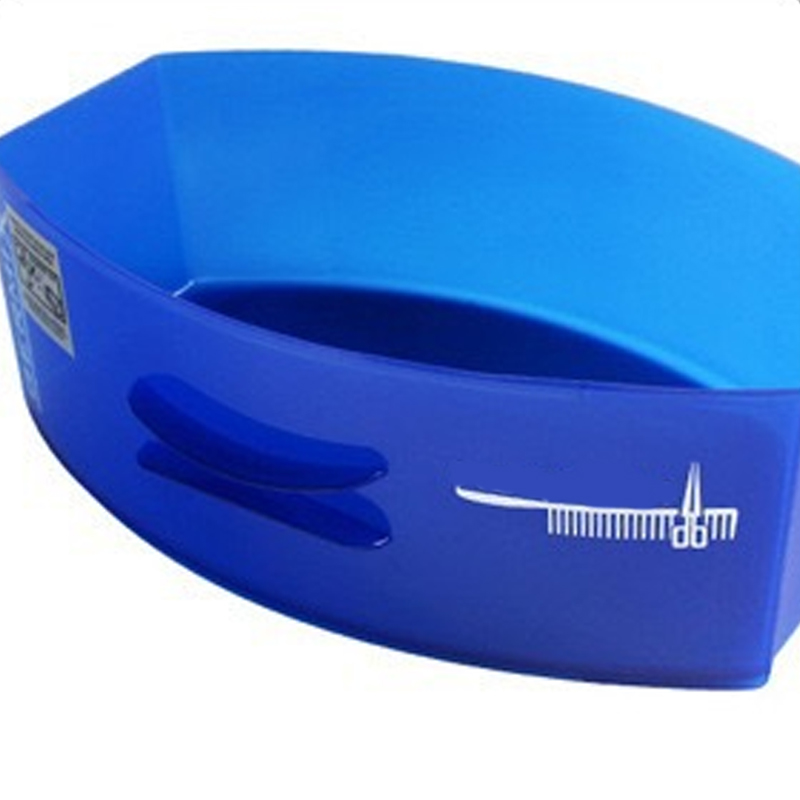
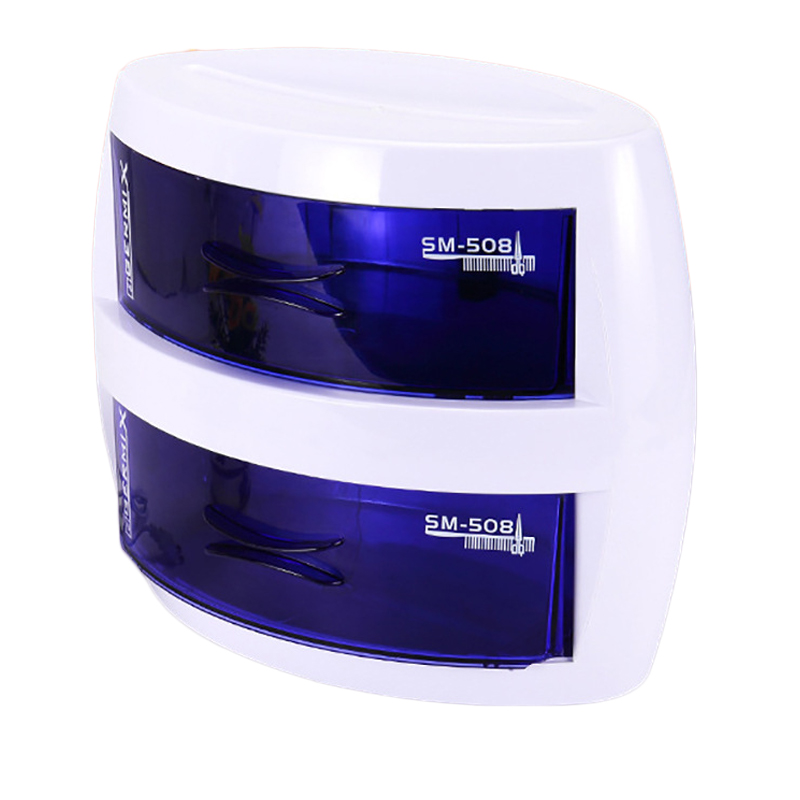
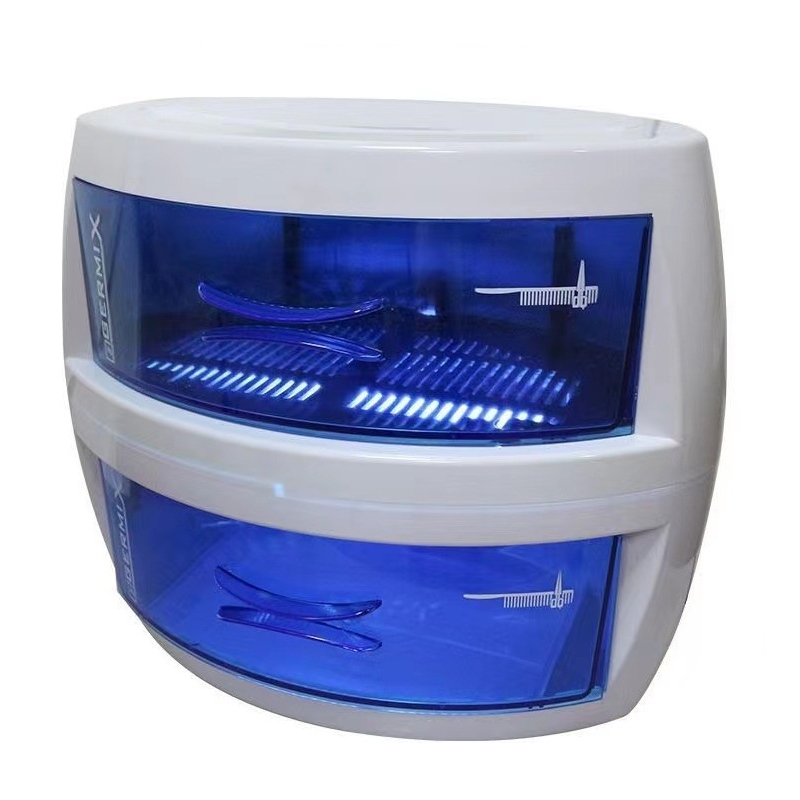
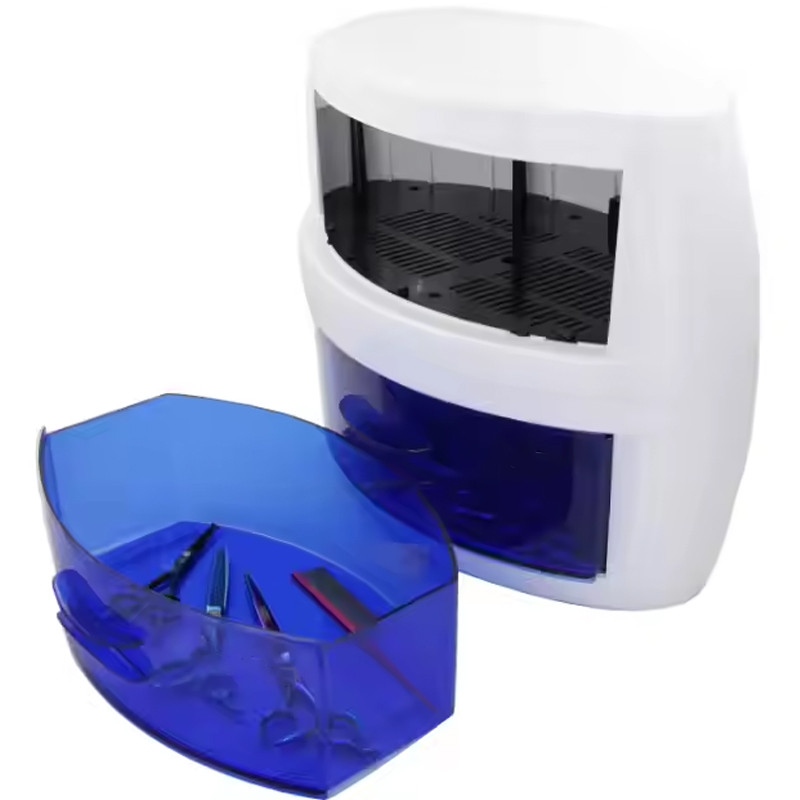
High-Temperature Sterilizer Cabinet High-Heat Disinfection Cabinet
RUINA High-Temperature Sterilizer Cabinet delivers hospital-grade disinfection at home, harnessing intense, dry heat to eliminate 99.9% of bacteria and viruses without chemicals or moisture. Crafted from food-safe stainless steel, it preserves utensil integrity while smart timers and auto-shutoff ensure effortless, foolproof operation. Perfect for busy parents sanitizing baby bottles, chefs protecting knife collections, or caregivers ensuring medical tool safety. Experience peace of mind knowing every fork, cup, or gadget emerges pristine and safe. Unlike UV or steam units, our high-heat technology penetrates crevices no light or water can reach, offering deeper, more reliable sterilization. Durable, energy-efficient, and whisper-quiet—this is the lasting protection your family deserves. Choose RUINA, choose confidence, every single day.
Send Inquiry
Product Description
The Definitive Guide to the High-Temperature Sterilizer Cabinet & High-Heat Disinfection Cabinet
In professional environments ranging from commercial kitchens and food processing plants to medical clinics and beauty salons, maintaining absolute sterility is not just a regulatory requirement but a foundational pillar of operational integrity. Among the various sterilization methods available, dry heat technology, delivered through a High-Temperature Sterilizer Cabinet, remains the gold standard for its efficacy, lack of chemical residue, and penetration power.
This guide provides a comprehensive technical overview of the High-Heat Disinfection Cabinet, detailing its specifications, operational benefits, and addressing the most common queries professionals have about integrating this essential equipment into their workflow.
Technical Specifications and Product Parameters
When selecting a High-Temperature Sterilizer Cabinet, understanding the granular technical data is crucial for matching the unit to your specific operational demands. Unlike low-temperature ozone or UV systems, high-heat units rely on thermal energy to denature microbial proteins.
Below is a detailed breakdown of the critical parameters found in modern industrial and commercial sterilization units.
| Parameter Category | Specification Details | Professional Insight |
| Sterilization Principle | Dry Heat / Far-Infrared Radiation | Uses thermal convection and radiation to penetrate tools. Ideal for metal and glass as it is non-corrosive. |
| Operating Temperature | 100°C - 250°C (Adjustable) | Medical-grade sterilization requires ≥120°C . Units reaching 250°C cater to specific industrial needs . |
| Power Supply | 110V / 220V - 240V | Options available for global compatibility. Industrial units often require 380V for high-wattage heating elements . |
| Power Consumption | 1,000W - 4,200W | Higher wattage ensures faster heat-up times. Commercial units (e.g., 700L capacity) typically run at ~4200W . |
| Timer Mechanism | Mechanical / Digital Preset | Allows for precise cycle control (e.g., 10-30 minutes or continuous) to ensure consistent sterilization results . |
| Cabinet Material | Stainless Steel (201/304 Grade) | Critical for rust prevention in high-humidity environments. 304 grade offers superior corrosion resistance . |
| Capacity Range | 12L to 700L+ | Bench-top models suit salons (12L-74L), while large double-door units (350L-700L) serve industrial cafeterias . |
| Safety Features | Over-temperature Cut-off, Dual Thermostats | Prevents thermal runaway and ensures the unit does not exceed set parameters, protecting both tools and the unit itself . |
Performance and Efficiency Metrics
A High-Heat Disinfection Cabinet is an investment in safety. The efficacy of the unit is measured by its ability to achieve a 99.9% kill rate of bacteria and viruses. For a unit to achieve "Two-Star" certification (the highest standard), it must demonstrate the ability to inactivate Hepatitis B and Poliovirus, which requires the internal temperature to reach at least 120°C for 15 minutes .
Advanced units utilize Hot Air Circulation Technology. This ensures that the temperature remains uniform throughout the chamber, eliminating "cold spots" that could leave tools contaminated. This technology also reduces cycle times by up to 20% compared to static heating methods .
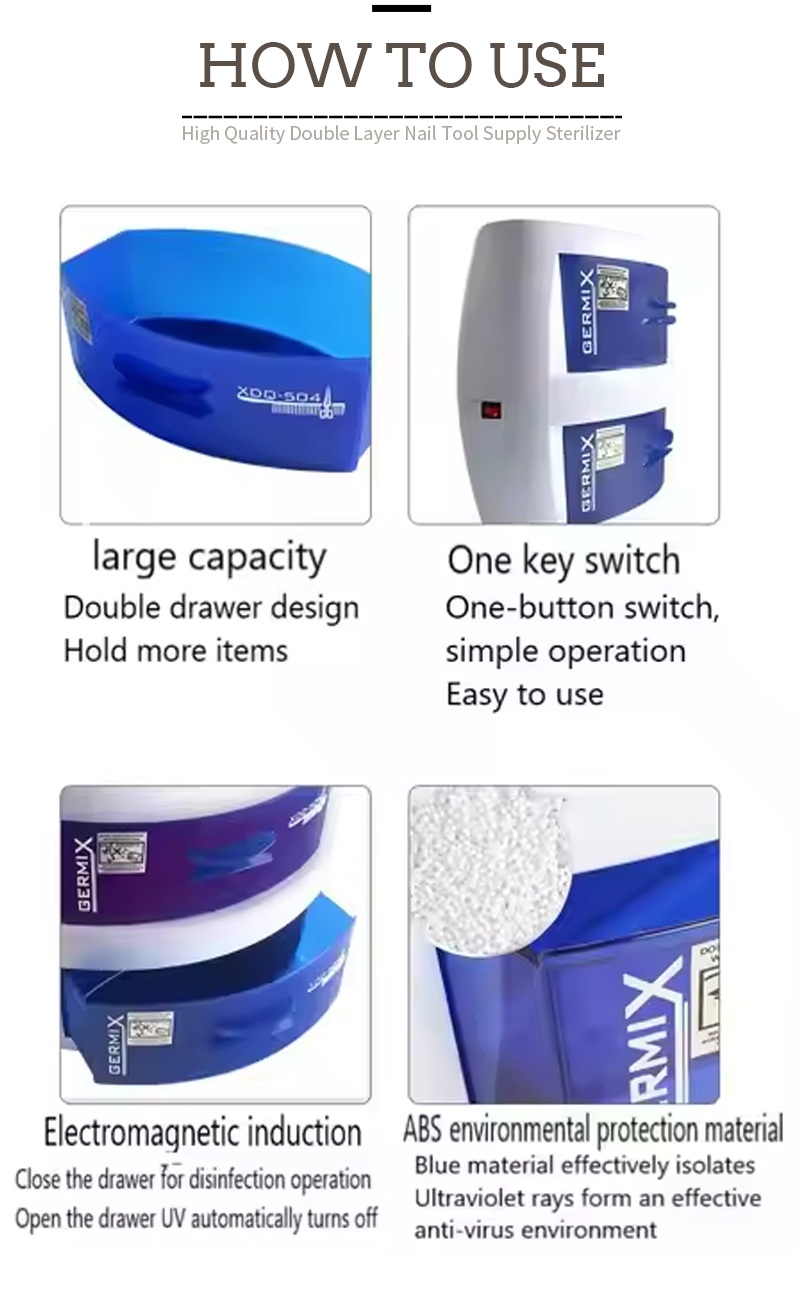
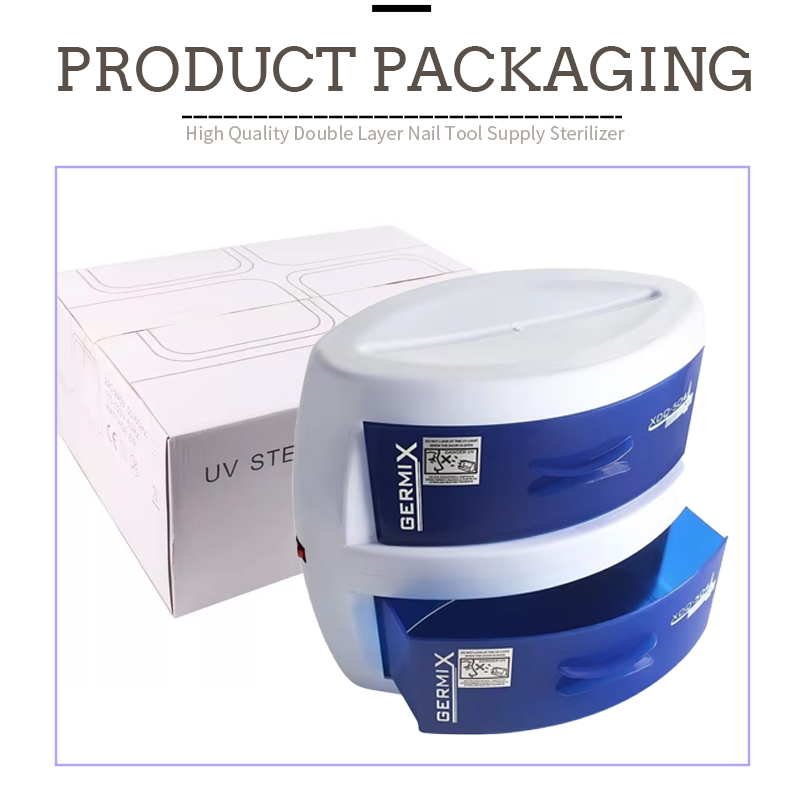
Frequently Asked Questions (FAQ)
Q: What materials are safe to place inside a High-Temperature Sterilizer Cabinet?
A: The High-Temperature Sterilizer Cabinet is specifically designed for non-flammable, heat-resistant materials. The most common items include stainless steel surgical instruments, glassware, ceramic dishes, and certain metal tools . You must never place plastics, wood, fabrics, or items with low melting points inside a high-heat unit, as they will deform, melt, or even catch fire . Additionally, avoid placing items with decorative paint or glaze containing heavy metals (like lead or cadmium) inside, as high temperatures can cause these toxins to leach out . For thin, low-quality stainless steel tableware, prolonged exposure to high temperatures may cause warping or deformation, so always ensure the tools are of sufficient gauge .
Q: Why is it essential to dry items thoroughly before placing them in the High-Heat Disinfection Cabinet?
A: The principle of the High-Heat Disinfection Cabinet relies on dry heat. This is why these units are often referred to as "dry heat sterilizers." Placing wet or dripping utensils inside significantly reduces the efficiency of the unit and can damage the internal components. The moisture causes the internal electrical components and the metal surface of the heating tube to oxidize. This oxidation creates contact resistance at the heating tube seat, which is a common cause of the tube burning out prematurely, thereby shortening the lifespan of the cabinet . Furthermore, if wet items are left inside and the unit is not powered on frequently, the trapped moisture turns the cabinet into a breeding ground for mold, defeating its purpose .
Q: Can I use the High-Temperature Sterilizer Cabinet as a regular storage cupboard?
A: While it is tempting to use the cabinet for storage to save space, this is strongly discouraged for hygiene and safety reasons. The High-Heat Disinfection Cabinet is designed to be "dry used" . It has high thermal insulation and good sealing properties. If it is used solely as a cupboard and the heating function is rarely activated, the residual moisture from washed dishes creates a humid environment inside the sealed chamber. This stagnant moisture leads to the growth of mold and bacteria, which can then contaminate the tableware and pose a serious health risk . For optimal hygiene and to maintain the integrity of the equipment, it is recommended to use the unit for sterilization cycles and then remove the items for storage elsewhere, or at least to run a heating cycle daily to eliminate moisture .
Best Practices for Operation
1.To maximize the lifespan of your High-Temperature Sterilizer Cabinet and ensure consistent sterilization results, adhere to the following protocols:
2.Placement: Position the cabinet in a dry, well-ventilated area. Maintain a clearance of at least 30 cm from the wall to ensure proper air circulation around the unit .
3.Loading: Place dishes and tools vertically on the racks. Ensure there is a gap between items to allow for full penetration of the hot air .
4.Cool Down: After the sterilization cycle completes, the cabinet and its contents will remain extremely hot. Allow a cooling period of 10 to 20 minutes before opening the door to retrieve items to prevent burns and thermal shock to glass items .
5.Maintenance: Clean the interior and the water collection tray (if present) regularly. Use a neutral detergent and a damp cloth. Never use excessive water or abrasive cleaners that could damage the stainless steel surface .
6.By choosing the right High-Temperature Sterilizer Cabinet and following these professional guidelines, you ensure a sterile, safe, and efficient environment for your business or practice.
Hot Tags: High-Temperature Sterilizer Cabinet High-Heat Disinfection Cabinet, China, Manufacturers, Suppliers, Factory, Made in China, Customized, In Stock, Quality
Related Categories
Send Inquiry
Please feel free to fill your inquiry in the form below. We will reply you in 24 hours.
Related Products
 High Temperature Sterilizer Disinfection Cabinet Machine for Salon 600w
 High Temperature Sterilizer Disinfection Cabinet for Dental Clinic 300w
 High Temperature Sterilizer Disinfection Cabinet Machine for Home Use 100w
 Heating Sterilization Display Intelligent Timer Sterilizer
 Large-Capacity Disinfection Cabinet
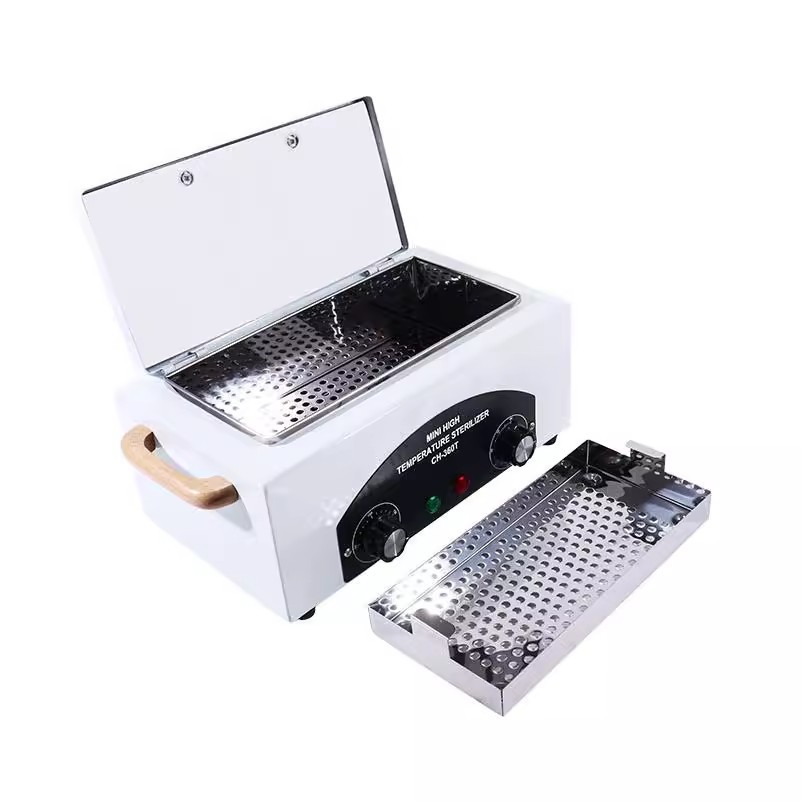 High-Temperature Disinfection Cabinet



X
We use cookies to offer you a better browsing experience, analyze site traffic and personalize content. By using this site, you agree to our use of cookies.
Privacy Policy