English
- English
-
 שפה עברית
-
 繁体中文
-
 Latviešu
-
 беларускі
-
 Hrvatski
-
 lugha ya Kiswahili
-
 አማርኛ
-
 ქართული
-
 Hausa
-
 Zulu
-
 Հայերեն
-
 Igbo
-
 Yoruba
-
 Español
-
 Português
-
 русский
-
 Français
-
 日本語
-
 Deutsch
-
 tiếng Việt
-
 Italiano
-
 Nederlands
-
 ภาษาไทย
-
 Polski
-
 Svenska
-
 magyar
-
 Malay
-
 Dansk
-
 Suomi
-
 हिन्दी
-
 Pilipino
-
 Türkçe
-
 العربية
-
 Indonesia
-
 Norsk
-
 český
-
 ελληνικά
-
 український
-
 فارسی
-
 български
-
 Қазақша
-
 Azərbaycan
-
 Slovenský jazyk
-
 Lietuvos
-
 Eesti Keel
-
 Română
-
 Slovenski
-
 Srpski језик
-
 한국어


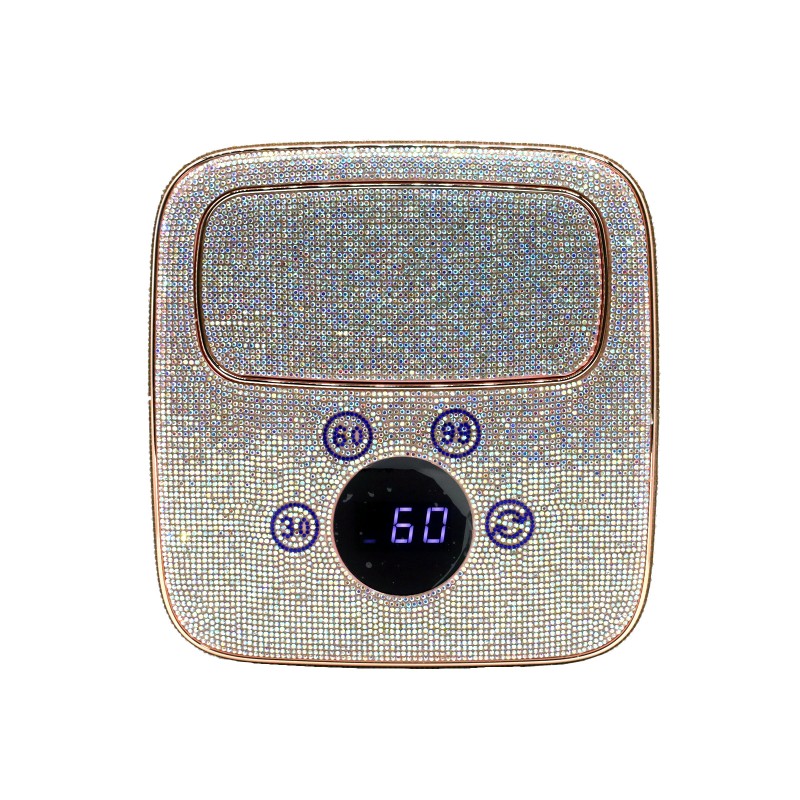
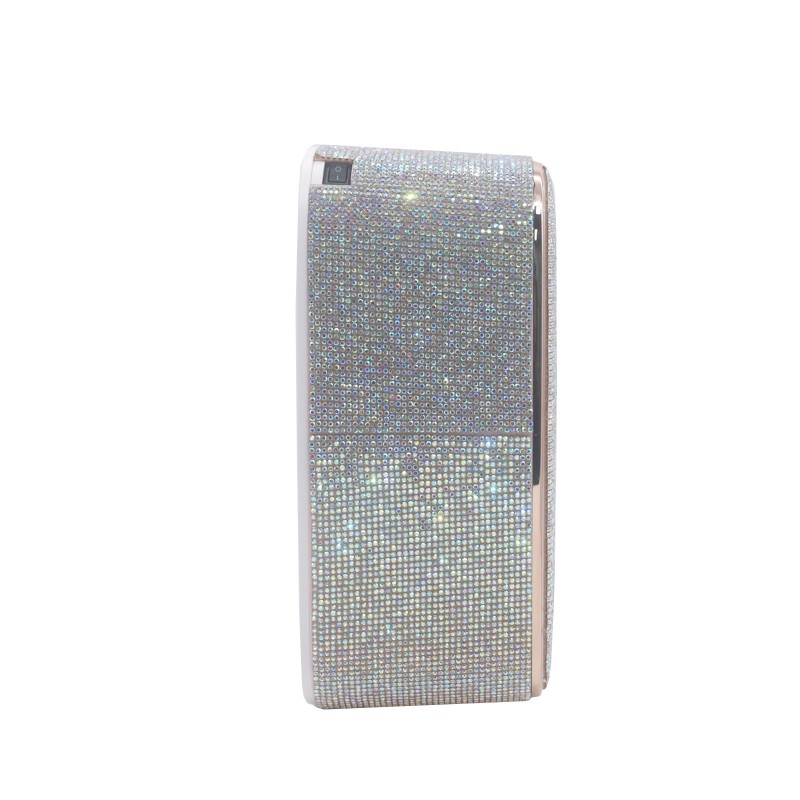
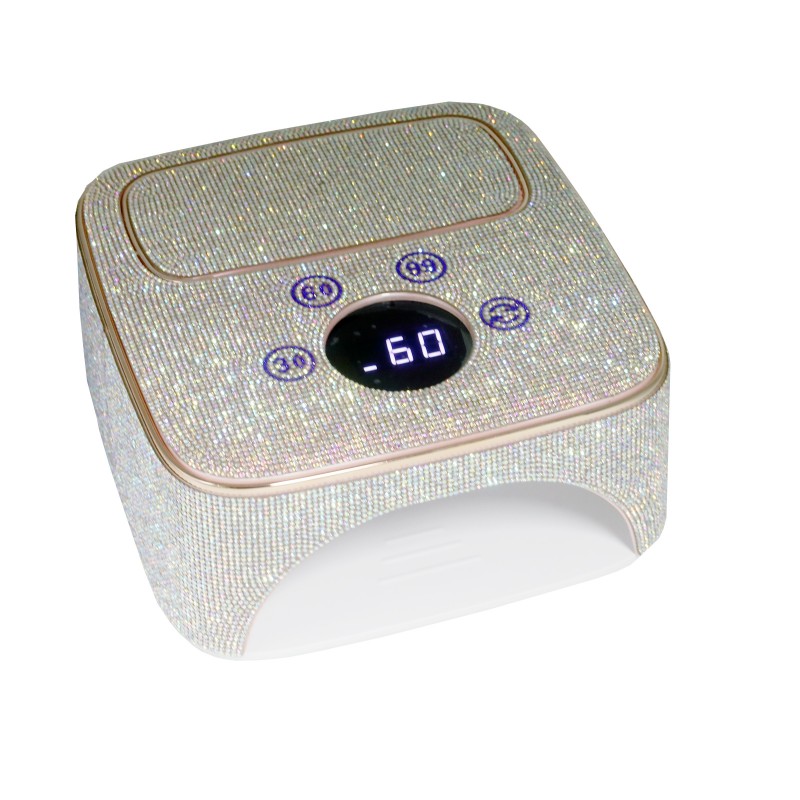
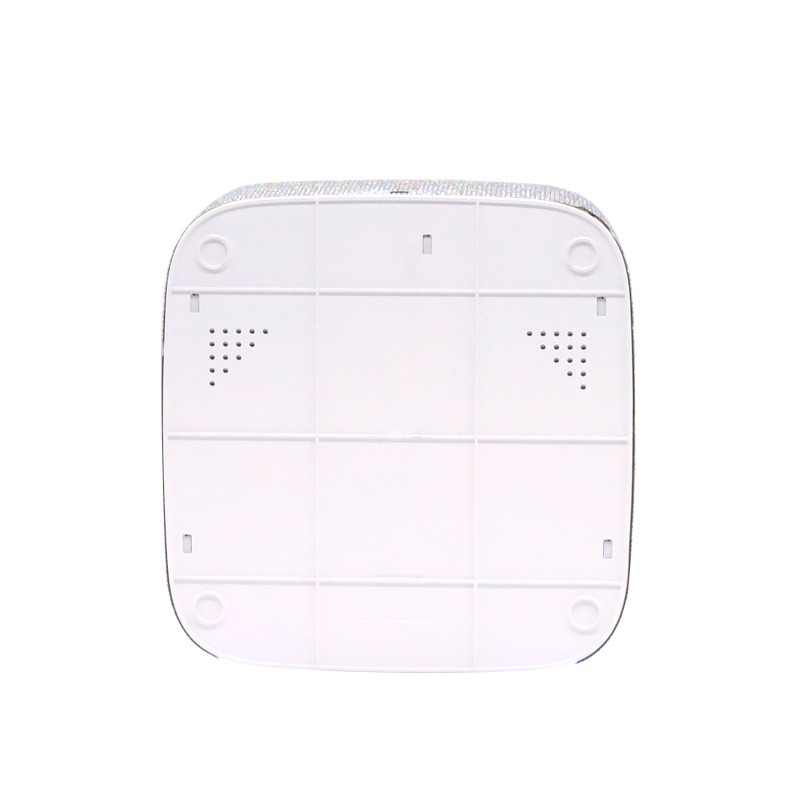
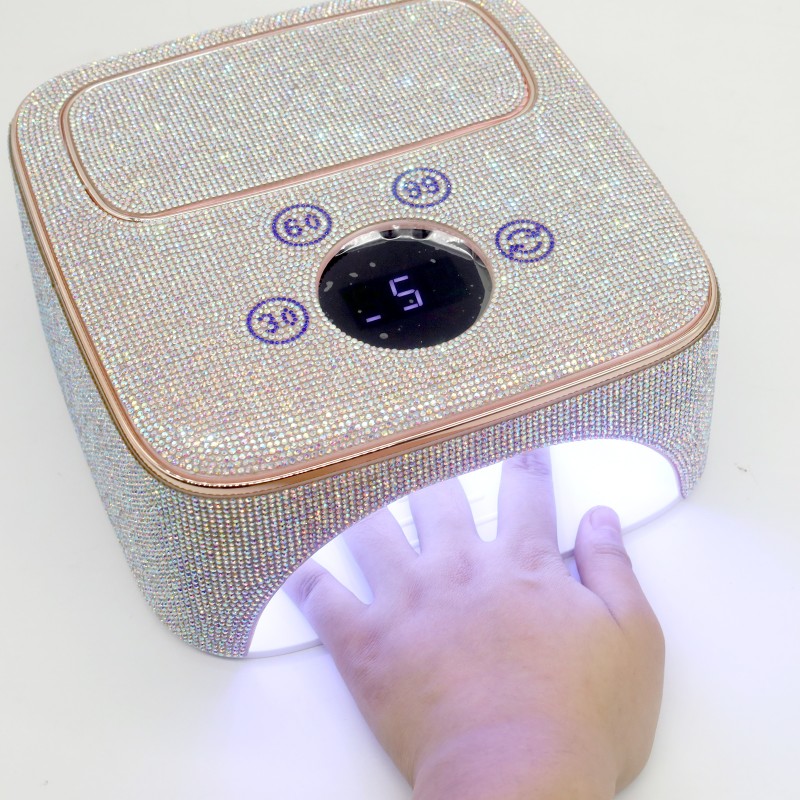
Low Heat Nail Lamp That Cares
The Low Heat Nail Lamp That Cares by RUINA protects your natural nails with gentle, intelligent curing that minimizes heat spikes while ensuring full, even hardening on all gel types. Its wireless, rechargeable design offers ultimate freedom, while the auto-sensor makes each session effortless and safe. Featuring advanced Pulse-Width Modulation (PWM) and a 99-second low-heat mode, it spreads energy delivery over time to prevent the painful burning sensation common with builder gels. Ideal for sensitive nails, at-home users, and professionals who prioritize nail health.
Send Inquiry
Product Description
Low Heat Nail Lamp That Cares
"Protect your natural nails with gentle, intelligent curing. Beautiful results without the burn. Love your nails, love the process."
Technical Specifications & Heat-Control Features
The distinguishing characteristic of this lamp is not just its wattage, but how that wattage is delivered. The table below compares the standard low-heat model with the advanced professional variant.
| Specification | Standard Low-Heat Model | Advanced Professional Model | Role in Heat Reduction |
|---|---|---|---|
| Peak Power Output | 18W – 24W | 36W – 48W | Higher peak power enables faster total cure, but delivery is modulated to prevent spikes. |
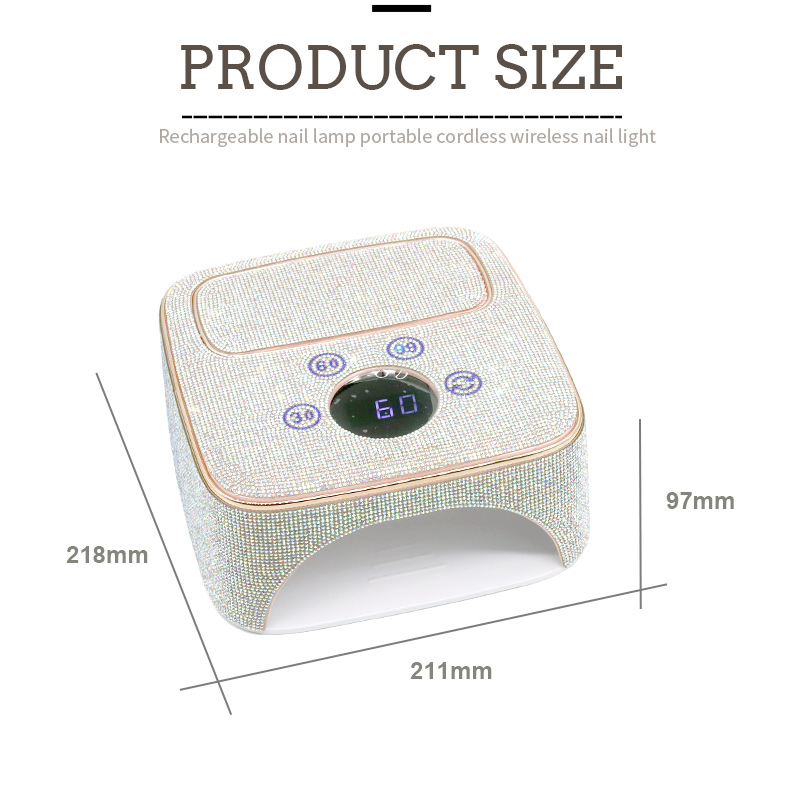
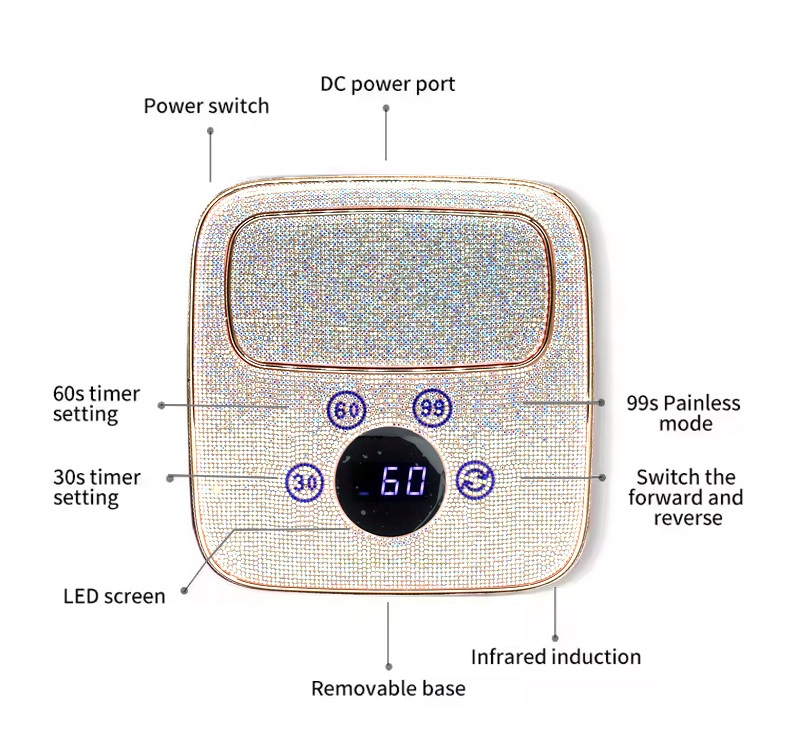
| Power Delivery Mode | Continuous low-current | Pulse-width modulation (PWM) | PWM delivers power in micro-bursts, allowing nail plate to dissipate heat between pulses. |
| Dedicated Low-Heat Timer | 60s, 90s | 99s (Low-Heat Mode) + 10s, 30s, 60s | 99s mode spreads the same total energy over a longer period, reducing peak temperature. |
| LED Wavelength | 400nm – 405nm (single) | 365nm + 405nm dual-peak | Dual wavelengths allow efficient polymerization at lower energy density per pulse. |
| Thermal Sensor | N/A | Thermistor Feedback Loop | Monitors internal temperature and pauses output if housing exceeds 42°C. |
How Low-Heat Technology Protects Your Nails
Pulse-Width Modulation (PWM)
Gel polishes contain photoinitiators that convert light energy into chemical energy, releasing heat (an exothermic reaction). Conventional lamps cause a sudden concentration of this thermal energy.
In the Advanced Professional model, the LED board cycles on and off at a frequency imperceptible to the eye. Each "on" burst delivers curing energy, while the "off" interval allows the nail to cool slightly. This micro-cycling maintains an average temperature well below the pain threshold.
Thermistor Feedback Loop & Extended Timers
The built-in thermal sensor continuously reads the air temperature within the curing chamber. If it detects a rise above 42°C, the lamp automatically reduces output or inserts longer off-intervals until the temperature stabilizes.
Instead of delivering full power in 30 seconds, the 99-second mode spreads the same total energy across 99 seconds. The lower instantaneous energy means less heat accumulation per second, giving the nail plate time to dissipate warmth naturally.
Real-World Performance Metrics
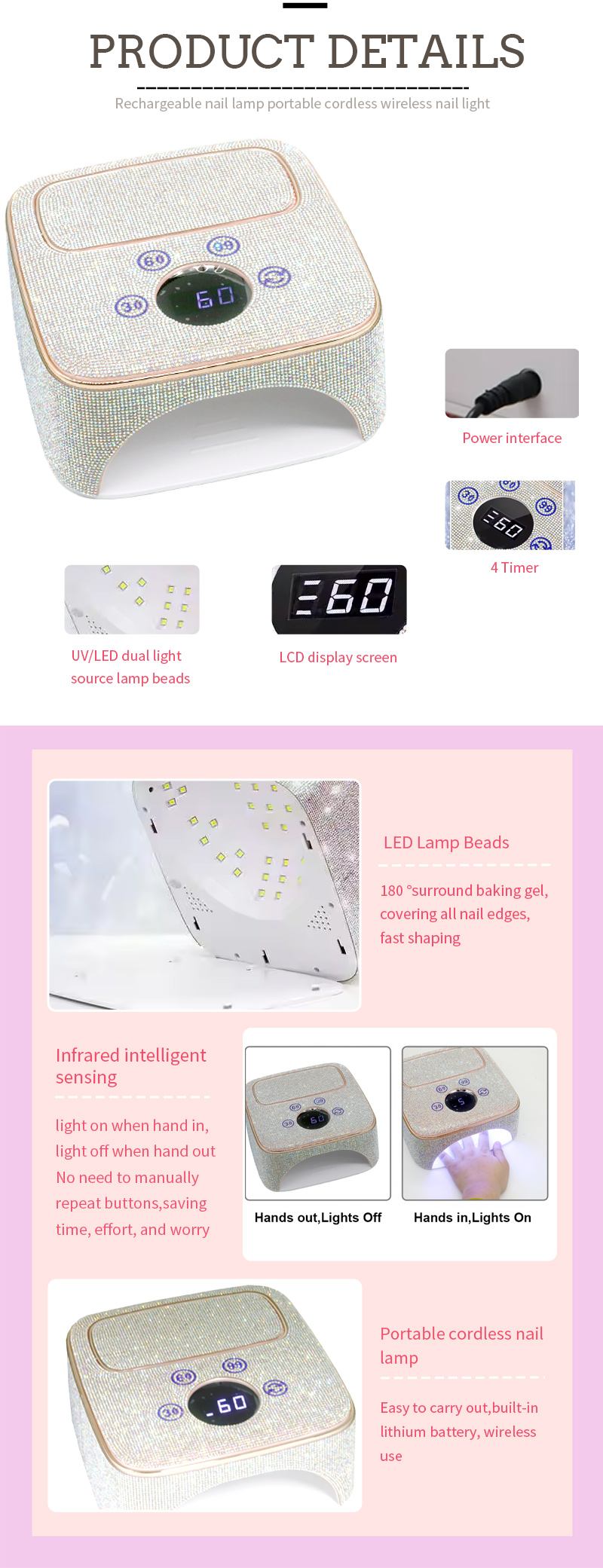
Tested across various gel brands and application thicknesses to ensure complete curing without the sting.
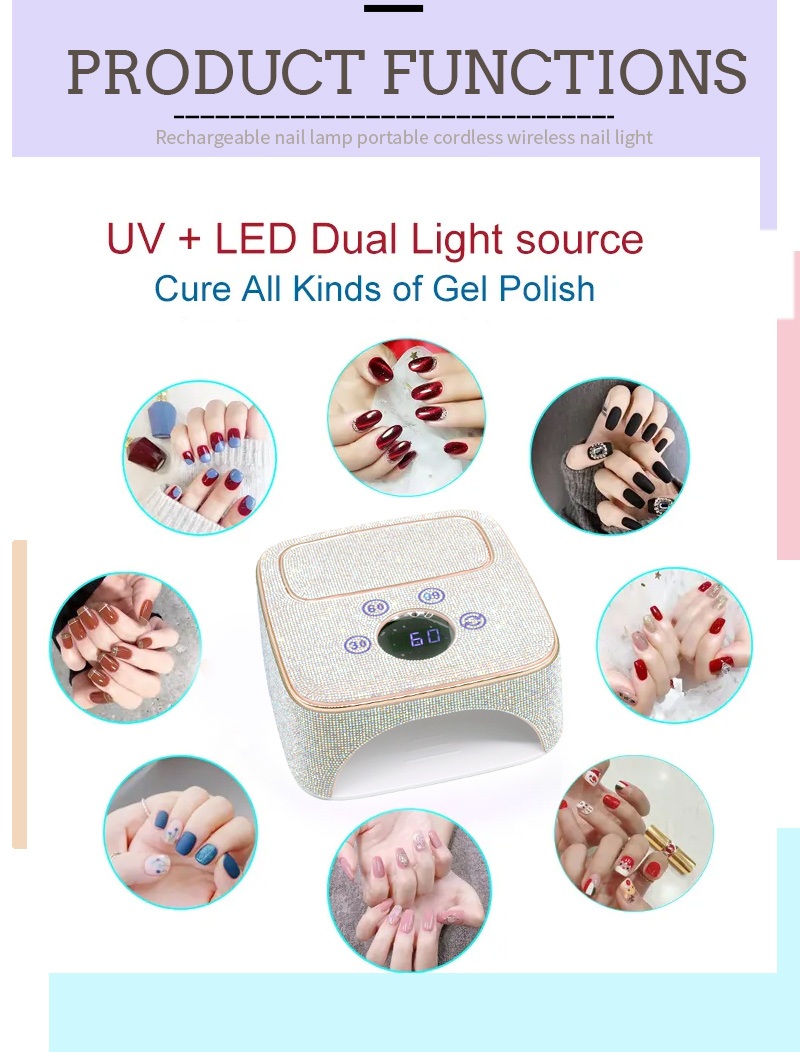
| Gel Type | Standard Lamp (30s) | Low-Heat Model (99s Mode) | Observed Difference |
|---|---|---|---|
| Base coat (thin layer) | Full cure, mild warmth | Full cure, no perceptible heat | Elimination of warmth in sensitive individuals. |
| Color gel (2 medium coats) | Full cure, noticeable heat spike at 15s | Full cure, gentle warmth throughout | Peak temperature reduced by approximately 8°C. |
| Builder gel (1 thick layer) | Full cure, strong heat spike at 10–12s | Full cure, moderate warmth, no spike | Heat spike completely flattened; temperature curve is gradual. |
| Dark pigment (black or navy) | Full cure, intense heat at 8s | Full cure, tolerable warmth | Dark pigments absorb more light; low-heat mode keeps temp below 38°C. |
Pair this caring lamp with our premium gel nail polish for a comfortable manicure experience.
Frequently Asked Questions
Does the low-heat setting actually cure the gel completely, or does it leave a sticky layer?
Complete curing depends on total energy delivered, not just intensity. The 99-second low-heat mode delivers the same total energy as a standard 30-second high-intensity mode, just spread over a longer duration. The photoinitiators achieve the same degree of cross-linking and hardness. If you notice residual stickiness, it typically indicates the gel layer was applied too thickly (beyond 2.5mm).
Why does my gel still feel warm even in low-heat mode, and when should I be concerned?
Some warmth is unavoidable because the curing reaction is fundamentally exothermic. The goal of the low-heat mode is to keep that warmth below the pain threshold and prevent sudden spikes. A gentle, gradual warming is normal. You should only be concerned if you experience a sharp, sudden burning sensation, which suggests the gel layer is excessively thick or the thermal sensor is blocked.
Can I use the low-heat mode for all gel products, or does it work better with specific brands?
The low-heat mode works effectively with all modern LED-curable gels (365nm–405nm), including soak-off gels, hard gels, and builder gels. Highly pigmented opaque gels—especially whites and blacks—may require the full 99-second cycle. Older formulations designed exclusively for UV bulbs may not cure adequately.
Hot Tags: low heat nail lamp, gentle gel curing lamp, sensitive nails LED lamp, heat spike prevention nail dryer, PWM nail lamp, wholesale nail lamp
Related Categories
Send Inquiry
Please feel free to fill your inquiry in the form below. We will reply you in 24 hours.





X
We use cookies to offer you a better browsing experience, analyze site traffic and personalize content. By using this site, you agree to our use of cookies.
Privacy Policy