English
- English
-
 שפה עברית
 -
 繁体中文
繁体中文 -
 Latviešu
 -
 беларускі
 -
 Hrvatski
 -
 lugha ya Kiswahili
 -
 አማርኛ
አማርኛ -
 ქართული
 -
 Hausa
Hausa -
 Zulu
Zulu -
 Հայերեն
 -
 Igbo
Igbo -
 Yoruba
 -
 Español
 -
 Português
 -
 русский
 -
 Français
 -
 日本語
日本語 -
 Deutsch
 -
 tiếng Việt
 -
 Italiano
 -
 Nederlands
 -
 ภาษาไทย
 -
 Polski
 -
 Svenska
 -
 magyar
 -
 Malay
Malay -
 Dansk
Dansk -
 Suomi
Suomi -
 हिन्दी
 -
 Pilipino
 -
 Türkçe
 -
 العربية
 -
 Indonesia
 -
 Norsk
Norsk -
 český
český -
 ελληνικά
 -
 український
 -
 فارسی
فارسی -
 български
 -
 Қазақша
 -
 Azərbaycan
 -
 Slovenský jazyk
 -
 Lietuvos
 -
 Eesti Keel
 -
 Română
 -
 Slovenski
 -
 Srpski језик
 -
 한국어
한국어


China 72W LED Gel Nail Lamp With Smart Sensor Manufacturers, Suppliers, Factory
Count the number of times a technician touches a nail lamp during a single gel manicure. Base coat goes in, the timer button is pressed. Colour layer one, button pressed again. Colour layer two, another press. Top coat, another press. If the service includes a gel adhesive or a nail art layer, that is one more. By the end of the appointment, the technician has pressed a button on the lamp a dozen times or more, often with hands that are already occupied holding a client's hand or a brush. The 72W LED Gel Nail Lamp With Smart Sensor from Shenzhen Ruina Optoelectronic Co.,Ltd is designed around removing that repetitive action. The sensor starts the curing cycle when the hand enters the chamber and stops it when the hand is withdrawn. No button press required.
The Repetitive Action Problem in Gel Services
Button pressing is a small action, but it is not a trivial one. It interrupts the workflow at every curing step. The technician finishes applying a layer, positions the client's hand in the lamp, reaches for the button, presses it, and then returns to the workstation. The client's hand sits in the lamp while the technician waits for the timer to finish, then removes the hand and repeats the process for the next layer.
Each button press adds a few seconds to the cycle, and those seconds compound across a full service. More importantly, each button press is a point of contact. The technician's hands may have gel residue on them. The client's hand has just come out of the lamp. The button surface accumulates whatever is on the fingertips of everyone who touches it during the day.
A smart sensor removes both the time cost and the contact point. The hand goes in, the lamp starts. The hand comes out, the lamp stops. There is nothing to press, nothing to reach for, and nothing to clean after each cycle.
How the Infrared Sensor Detects Hand Placement
The sensor uses infrared detection rather than a physical switch. An infrared emitter and receiver are positioned near the entrance of the curing chamber. When a hand or foot crosses the detection field, the change in infrared reflection triggers the curing cycle. The same mechanism stops the cycle when the hand is withdrawn.
| Feature | How It Works |
|---|---|
| Detection method | Infrared motion detection at the chamber entrance |
| Activation | Hand or foot crossing the detection field |
| Deactivation | Hand or foot withdrawn from the chamber |
| Response time | Fraction of a second after entry |
| Effect of room lighting | None; infrared is unaffected by visible light |
| Effect of skin tone or polish colour | None; detection is motion-based, not reflection-based |
This is different from a simple proximity sensor that activates whenever anything is nearby. The detection field is calibrated to the chamber entrance, so the lamp does not turn on when someone walks past it or when a hand rests nearby without entering the chamber. This prevents accidental activation, which would otherwise waste battery and expose the client to unnecessary UV light.
The Hygiene Argument for Hands-Free Curing
In a salon environment, the lamp is one of the most frequently touched surfaces in the workstation. Every client's hand goes in and out of the chamber multiple times per service. Every technician's fingers touch the timer buttons between curing cycles. The lamp surface accumulates whatever is on those hands.
A smart sensor does not replace routine cleaning. The lamp still needs to be wiped down between clients. But it removes one of the most frequent sources of contact during the service itself. The chamber entrance and the touch buttons are the two main contact areas. The sensor eliminates the second one for routine use.
For salons that follow strict hygiene protocols, this reduces the number of surfaces that need to be disinfected between clients. The touch buttons are still available as a backup, but during normal operation, the technician's hands never need to touch the lamp at all.
What Else the Lamp Does Beyond the Sensor
The sensor is the feature that changes the workflow, but the rest of the lamp is built to support the same professional use case. The 72W output and 52 dual-wavelength LED beads deliver 180° irradiation across the chamber, which reduces the dead-angle problem that causes gel to lift at the edges. The 15600mAh rechargeable battery supports cordless operation for a full day of typical salon work.
The lamp uses a dual light source covering both 365nm UV and 405nm LED, making it compatible with gel polish, base coats, colour gels, top coats, and functional gels including builder gel and hard gel. The LCD screen displays the countdown timer and the remaining battery level. Three preset timers — 30s, 60s, and 99s — cover the range of product thicknesses.
The removable base plate detaches for cleaning and for pedicure use. The top LED beads are individually replaceable, which extends the service life of the unit for salons that use it continuously. The housing is finished in ABS with PU paint and rubber paint, giving it a textured grip and impact resistance.
For technicians who want the same 72W platform without the sensor, the Rechargeable 72W UV LED Nail Lamp For Gel Polish and the Portable Cordless UV Nail Lamp With Battery are built on the same curing engine.
Smart Sensor vs Manual Timer: Which Suits Your Workflow
Not every technician will prefer a sensor. Some find it more comfortable to control the timer manually, particularly when working with unusual curing sequences or when the client has difficulty keeping their hand steady inside the chamber. The following table outlines where each approach makes more sense.
| Situation | Better Fit |
|---|---|
| High-volume salon with standard gel services | Smart sensor; hands-free cycling speeds up each appointment |
| Clients who cannot keep their hand still | Manual timer; the technician controls the cycle duration directly |
| Detailed nail art with partial curing | Manual timer; the technician can start and stop at precise points |
| Mobile technicians | Smart sensor; reduces setup complexity in unfamiliar workspaces |
| Technicians concerned about hygiene | Smart sensor; fewer contact points during the service |
The lamp supports both approaches. The sensor handles the standard curing cycles, while the touch buttons remain available for manual control when the technician needs it.
Battery and Runtime Under Sensor Operation
Sensor operation does not consume significantly more battery than manual button operation. The infrared emitter draws a small amount of power continuously, but the dominant power consumption is still the LED beads during curing. The 15600mAh battery provides the same runtime whether the lamp is activated by the sensor or the touch buttons.
Under typical salon conditions with intermittent curing between clients, a full charge supports a full working day of appointments. Continuous use at the 99-second setting reduces runtime, but the lamp can be used while charging if needed. For a fully cordless workstation, pair the lamp with the Rechargeable Nail Drill Set 25w USB Cable 35000rpm and the Rechargeable Nail Dust Collector Fan With Filter 40w.
Who This Smart Sensor Lamp Is For
- High-volume salon technicians — the sensor removes the repetitive button press from every curing cycle, saving time across each appointment.
- Technicians who prioritise hygiene — fewer contact points during the service means fewer surfaces to clean between clients.
- Mobile nail technicians — the sensor simplifies operation in unfamiliar workspaces where both hands may be occupied.
- Technicians working with multiple gel products — the dual-wavelength source covers UV and LED gel formulations.
- Salons offering both manicure and pedicure — the sensor works for hand and foot placement, and the removable base plate accommodates both.
- Technicians who work with detailed nail art — the touch buttons remain available for manual control when precise timing is needed.
Technical Details
| Product Name | 72W LED Gel Nail Lamp With Smart Sensor |
|---|---|
| Model Number | 72W Rechargeable Cordless |
| Power | 72 Watts |
| LED Beads | 52 LED UV Beads |
| Light Source | Dual Wavelength 365nm + 405nm |
| Irradiation Coverage | 180° without dead angles |
| Sensor | Smart infrared motion sensor (auto start / stop) |
| Battery Capacity | 15600mAh rechargeable |
| DC Output | 15V 1.5A |
| Display | LCD Screen with countdown and battery indicator |
| Timer Settings | 30s / 60s / 99s |
| Base Plate | Non-slip, removable for cleaning and pedicure use |
| Top LED Beads | Individually replaceable |
| Material | ABS / PU Paint / Rubber Paint |
| Product Size | 218 × 211 × 97 mm (L × W × H) |
| Color Options | Pink / White / Black |
| Lifetime | 50,000 Hours (LED) |
| Feature | Portable / Cordless / Hands-Free |
| Certification | CE, ROHS |
FAQ
How does the smart sensor on a gel nail lamp actually work?
The lamp uses an infrared motion sensor positioned near the entrance of the curing chamber. When a hand or foot enters the detection field, the sensor registers the movement and starts the selected curing cycle automatically. When the hand is withdrawn, the sensor stops the cycle. The detection field is calibrated to activate within a short distance of the chamber opening, so the lamp does not turn on when someone simply walks past it.
Can the sensor be triggered accidentally by small hand movements?
No. The sensor is calibrated to detect entry into the chamber rather than general movement. Small shifts of the hand inside the chamber do not restart the cycle or interrupt it. The lamp only activates when a hand or foot crosses the detection field at the chamber entrance. This prevents accidental triggering during the curing cycle, which would otherwise reset the timer.
Is the smart sensor more hygienic than pressing buttons?
Yes, in a practical sense. Every time a technician or client touches a button, that surface becomes a potential transfer point for oils, dust and microorganisms. With a smart sensor, the curing cycle is triggered without any physical contact with the lamp surface. The touch buttons remain available as a backup, but during routine use, the sensor handles the majority of activations, which reduces the number of contact points per service.
How many button presses does the sensor eliminate during a typical service?
A standard gel manicure involves roughly five to seven curing cycles: base coat, two or three colour layers, top coat, and possibly a gel adhesive or nail art layer. Without a sensor, each cycle requires at least one button press to start and, in some cases, a second press to stop. The smart sensor removes both actions, so a single service can eliminate ten or more button interactions. Across a full day of appointments, that adds up to hundreds of eliminated touch points.
Does the sensor work for pedicure services as well?
Yes. The detection field is positioned to register both hand and foot placement. With the removable base plate detached, the foot can be positioned comfortably inside the chamber, and the sensor will activate the curing cycle automatically. The sensor sensitivity is the same for foot placement as it is for hand placement.
What happens if the sensor stops working?
The touch buttons on the control panel continue to function independently of the sensor. If the sensor fails, the lamp can still be operated manually using the 30s, 60s and 99s touch buttons. The LCD display and timer countdown also continue to work normally. This redundancy means a sensor fault does not render the lamp unusable, and the unit can continue in service while a replacement is arranged.
Does bright room lighting or a dim salon affect the sensor?
No. The sensor uses infrared detection, which is not affected by visible light levels. It works the same way in a brightly lit salon, a dim treatment room, or a client's home with natural light. The infrared detection field is also unaffected by the colour of the client's skin or the polish being used, since it detects motion rather than reflected light.
How quickly does the sensor respond when a hand is inserted?
The sensor responds within a fraction of a second of detecting entry into the chamber. In practice, the LED beads activate almost immediately as the hand crosses the detection field, so there is no noticeable delay between hand insertion and the start of the curing cycle. This is important because any delay would add up across the multiple curing cycles in a single service.
Can the sensor be turned off if I prefer to use the buttons?
On most models, the sensor operates as the default activation method, and the touch buttons are used to select the timer setting before insertion. If you prefer to use the buttons exclusively, you can select the timer and start the cycle manually in the same way you would on a lamp without a sensor. The sensor and the buttons are designed to work together rather than as competing systems.
What maintenance does the sensor require?
The sensor requires minimal maintenance. Keeping the chamber entrance free of dust and debris ensures that the detection field remains unobstructed. A soft dry cloth can be used to wipe the sensor area during routine cleaning. Avoid spraying liquids directly onto the sensor or using abrasive cleaners, as these can affect the detection surface. If the sensor response becomes inconsistent, checking for dust buildup at the chamber entrance is the first step. If the issue persists, please contact us for support.
Related Products
- Rechargeable 72W UV LED Nail Lamp For Gel Polish — same 72W curing platform, focused on even gel polish curing.
- Portable Cordless UV Nail Lamp With Battery — same 72W platform, focused on mobile and portable use.
- 72W Rechargeable Cordless Nail Dryer Lamp Machine — alternative 72W cordless configuration with the same battery platform.
- Rechargeable Nail Dryer Lamp Cordless with Heart-shape 72w — compact 72W cordless lamp for detail work and travel.
- Rechargeable Nail Dryer Lamp 60w — lighter cordless option for thin gel polish.
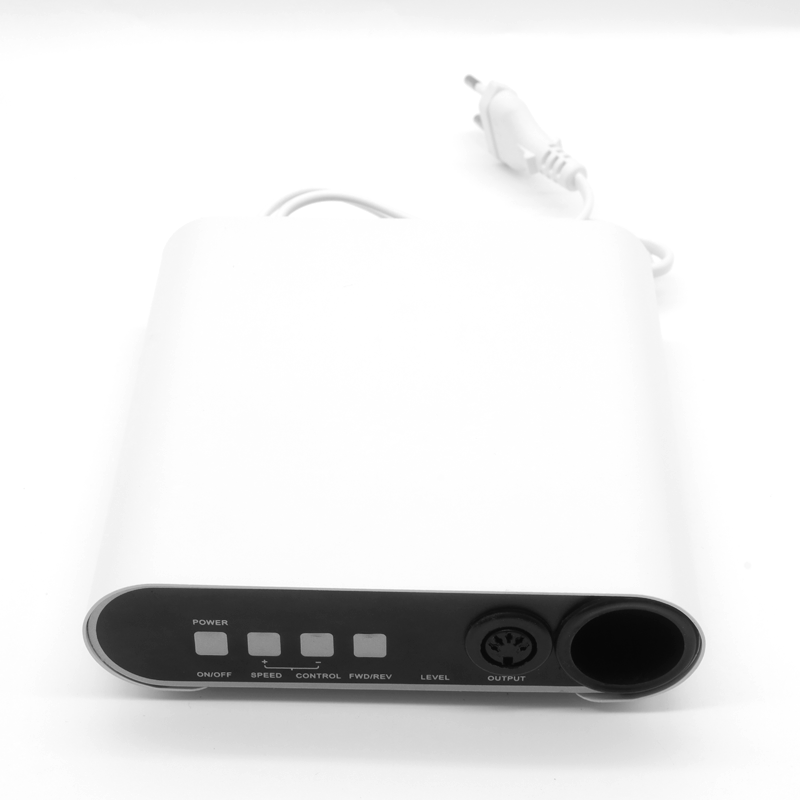
- Rechargeable Nail Drill Set 25w USB Cable 35000rpm — cordless drill for a fully wireless workstation.
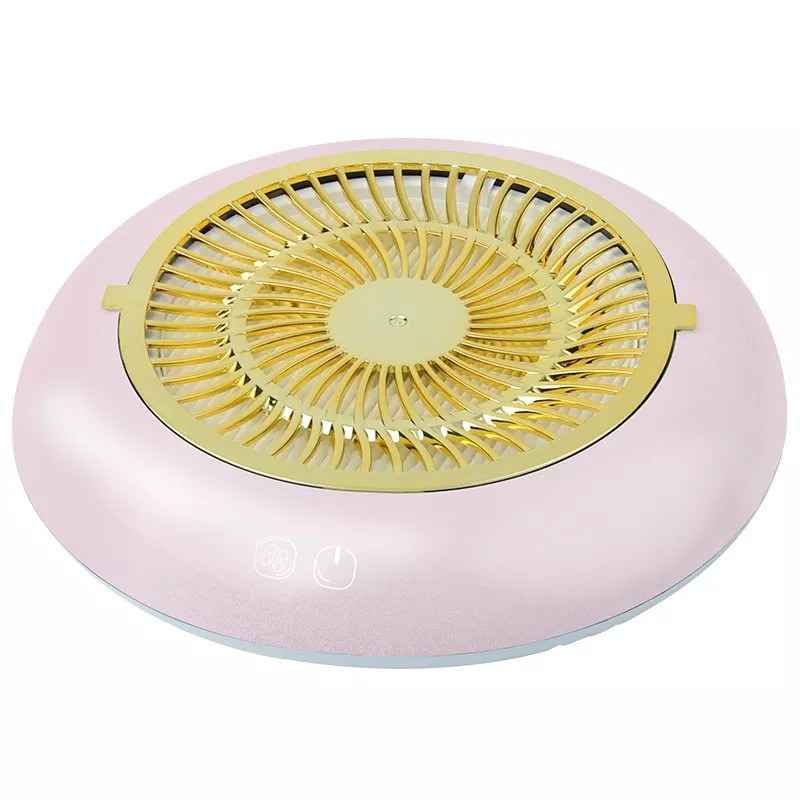
- Rechargeable Nail Dust Collector Fan With Filter 40w — cordless dust extraction for filing and shaping.
- Nail Hand Pillow — stabilises the hand during curing and detailed nail art.
- Nail Tool Sterilizer — for hygiene between clients.
- Rainbow Carbide Nail Drill Bits Tip — carbide bits for prep and removal between curing cycles.
For wholesale pricing, sample requests, or OEM inquiries, please send us an inquiry. Our team usually responds within 24 hours on business days.
Related Products



Hot Products
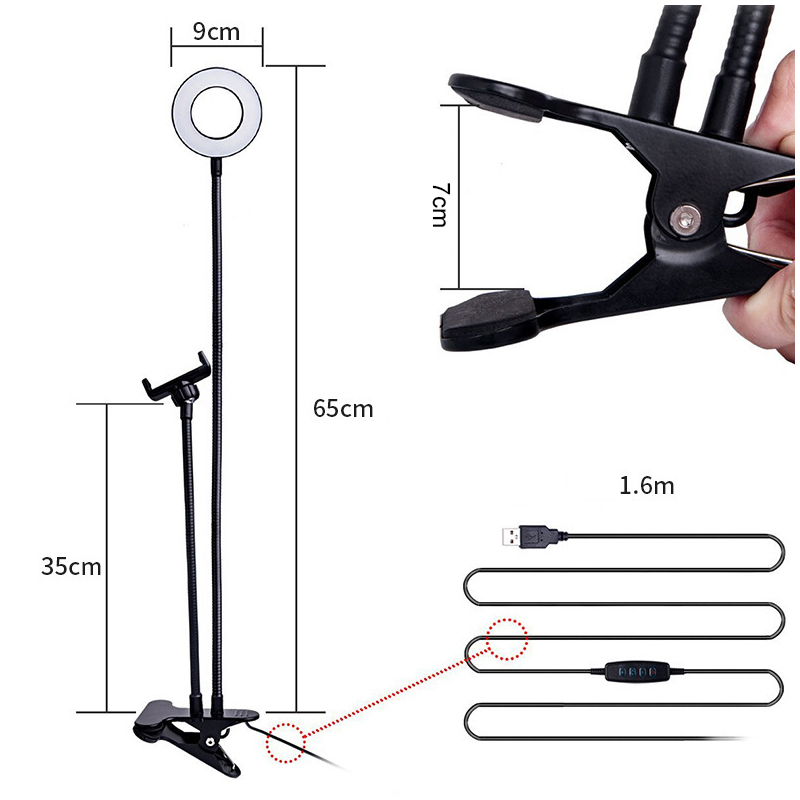
Desktop Hose Clip Light 2 in 1 Cell Phone Light Fill Light
As the professional manufacture, we would like to provide you customized Desktop Hose Clip Light 2 in 1 Cell Phone Light Fill Light. And we will offer you the best after-sale service and timely delivery.The product is hose live light, which can be widely used in outdoor photography light, indoor fill light, fashion photography, advertisement shooting, webcasting and other scenarios, have it and be fearless.
Mini Heater Underarm Hair Removal Hot Waxer
As the professional manufacture, we would like to provide you customized Mini Heater Underarm Hair Removal Hot Waxer. And we will offer you the best after-sale service and timely delivery.The product is a multi-functional intelligent wax melting machine, fast wax melting, aluminum alloy inner liner, applicable to multiple parts.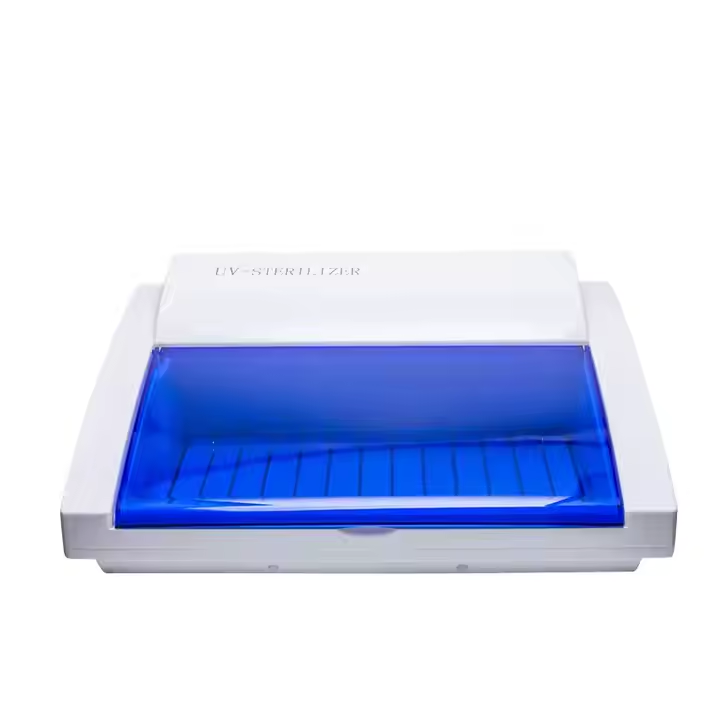
Professional Sterilization Equipment
As the professional manufacture, we would like to provide you customized Professional Sterilization Equipment. And we will offer you the best after-sale service and timely delivery.The product is multifunctional high-temperature sterilizer, opened sterile life, high-temperature disinfection, intelligent timing, rapid disinfection, inhibit the growth of viruses, applicable to a variety of household items.
Curved Head Grip Nail Clippers
Experience precise, effortless trimming with Ruina Optoelectronic and the Curved Head Grip Nail Clippers. Engineered with a perfectly curved head that follows the natural shape of nails for clean, splinter-free cuts, plus an ergonomic non-slip grip for superior control. Crafted from premium stainless steel for lasting sharpness and durability. Ideal for professionals seeking reliable tools or individuals wanting salon-quality precision at home. Comfort, control, and clean cuts—choose Ruina Optoelectronic for nail care you can trust.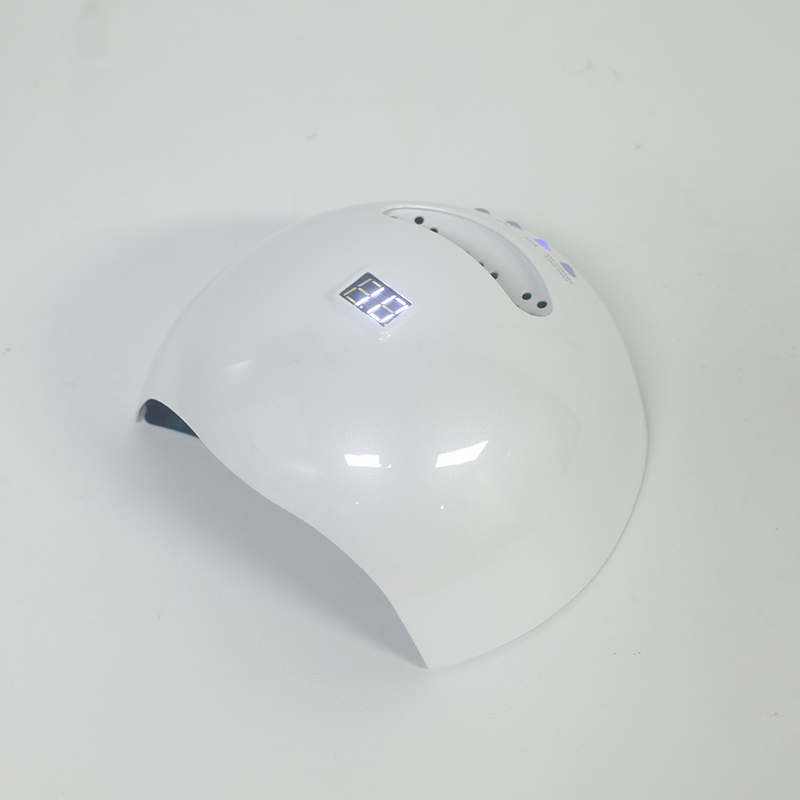
No Hacking Cordless Handheld Portable High-End Model
As the professional manufacture, we would like to provide you customized No Hacking Cordless Handheld Portable High-End Model. And we will offer you the best after-sale service and timely delivery.The product is a multifunctional light therapy machine, each upgrade and optimization is to enhance the nail experience, 360 degrees without dead angle irradiation, uniformly lighted, not black hand, surrounded by the cloth light only faster.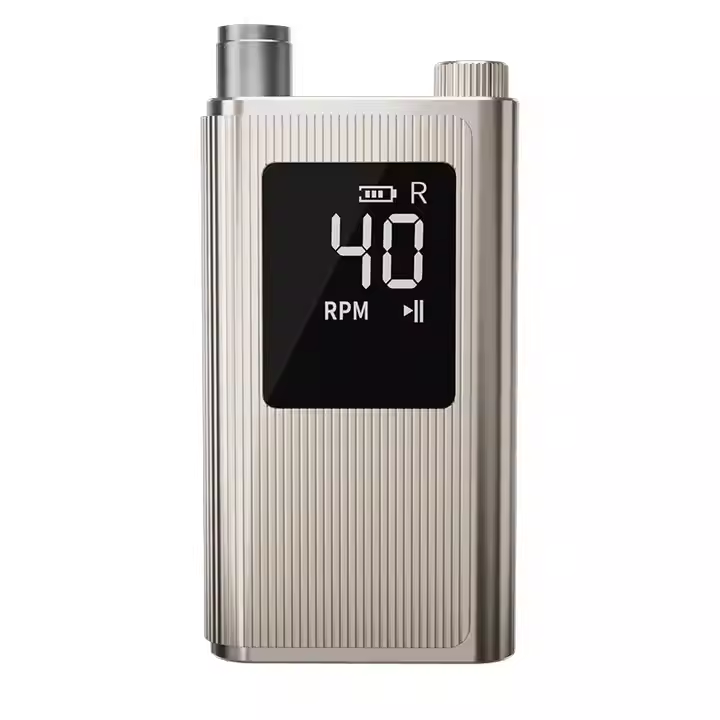
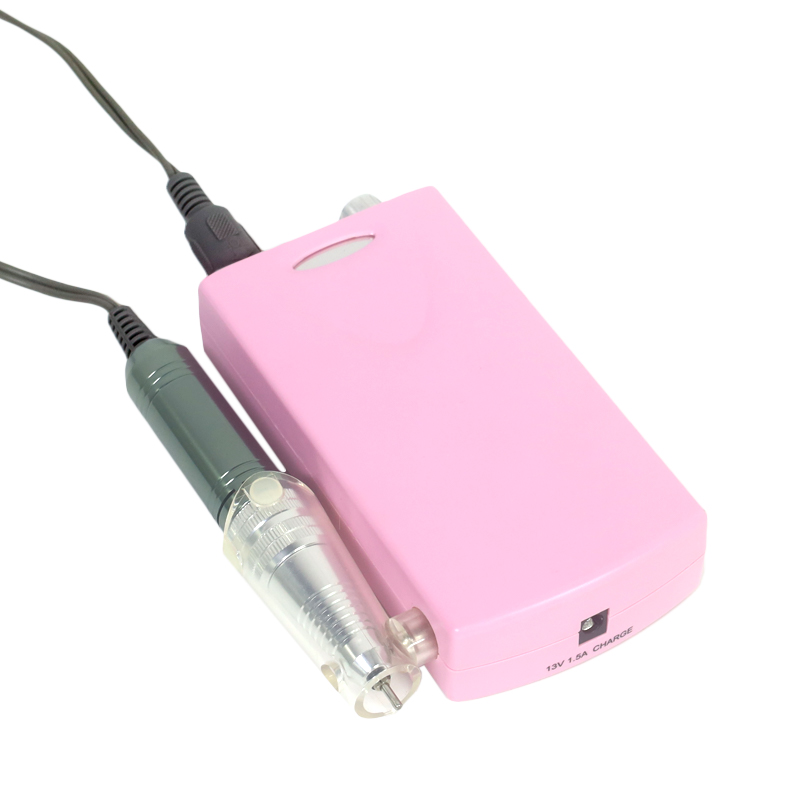
Rechargeable High Power Electric File Nail Drill
Shenzhen Ruina Optoelectronic Co.,Ltd. a leading China Rechargeable High Power Electric File Nail Drill manufacturer, supplier and exporter. Adhering to the pursuit of perfect quality of products, so that our 606 High Speed 40000 RPM Nail Polish Remover Electric Nail File have been satisfied by many customers. Extreme design, quality raw materials, high performance and competitive price are what every customer wants, and that's also what we can offer you. Of course, also essential is our perfect after-sales service.
- Related Blog
- Reviews

Send Inquiry



X
We use cookies to offer you a better browsing experience, analyze site traffic and personalize content. By using this site, you agree to our use of cookies.
Privacy Policy