English
- English
-
 שפה עברית
 -
 繁体中文
繁体中文 -
 Latviešu
 -
 беларускі
 -
 Hrvatski
 -
 lugha ya Kiswahili
 -
 አማርኛ
አማርኛ -
 ქართული
 -
 Hausa
Hausa -
 Zulu
Zulu -
 Հայերեն
 -
 Igbo
Igbo -
 Yoruba
 -
 Español
 -
 Português
 -
 русский
 -
 Français
 -
 日本語
日本語 -
 Deutsch
 -
 tiếng Việt
 -
 Italiano
 -
 Nederlands
 -
 ภาษาไทย
 -
 Polski
 -
 Svenska
 -
 magyar
 -
 Malay
Malay -
 Dansk
Dansk -
 Suomi
Suomi -
 हिन्दी
 -
 Pilipino
 -
 Türkçe
 -
 العربية
 -
 Indonesia
 -
 Norsk
Norsk -
 český
český -
 ελληνικά
 -
 український
 -
 فارسی
فارسی -
 български
 -
 Қазақша
 -
 Azərbaycan
 -
 Slovenský jazyk
 -
 Lietuvos
 -
 Eesti Keel
 -
 Română
 -
 Slovenski
 -
 Srpski језик
 -
 한국어
한국어


acrylic nail drill
Every technician who works with acrylic has experienced the same moment. You are shaping a thick extension, the bit bites into the product, and the drill slows down. You press harder. The bit starts to heat up. The acrylic surface begins to smear instead of cutting. That experience is not a technique problem. It is a torque problem. The Acrylic Nail Drill from Shenzhen Ruina Optoelectronic Co.,Ltd is built around a simple premise: for acrylic work, torque matters more than the RPM number printed on the box.
Why RPM Is Not the Whole Story
Walk through any beauty trade show and you will see drills advertised with bold RPM numbers. 35,000 RPM. 40,000 RPM. 50,000 RPM. The assumption is that higher RPM means a faster, more powerful drill. For acrylic work, that assumption is misleading.
RPM measures how fast the motor spins when it is unloaded. It tells you the maximum speed the drill can reach when there is no resistance on the bit. But acrylic work is all about resistance. Thick product, hard gel overlays, and extended tips all place load on the motor. What matters in those moments is whether the drill can maintain speed under load — and that is torque, not RPM.
A drill rated at 35,000 RPM with low torque will stall the moment the bit meets thick acrylic. A drill rated at 35,000 RPM with high torque will maintain speed and keep cutting. The difference is immediately noticeable to any technician who has used both.
Brushed vs Brushless: Why It Matters for Acrylic
The motor type determines how much torque a drill delivers and how well it handles continuous load. Most entry-level nail drills use brushed motors. Professional drills designed for acrylic work use brushless motors.
| Feature | Brushed Motor |
|---|---|
| Torque at low RPM | Limited; loses speed under load |
| Heat generation | Higher; friction from brushes |
| Service life | Brushes wear out; typically 1–3 years |
| Noise level | Louder |
| Maintenance | Brush replacement needed |
| Feature | Brushless Motor |
|---|---|
| Torque at low RPM | High; maintains speed under load |
| Heat generation | Lower; no brush friction |
| Service life | No brushes to wear; often 5+ years |
| Noise level | Quieter |
| Maintenance | Minimal; sealed motor |
For technicians who work with acrylic daily, the brushless motor is not a luxury feature. It is what allows the drill to keep cutting when the bit meets resistance, without generating excessive heat or losing speed. If you are comparing options, you can explore our Rechargeable Brushless Nail Drill range or the specific Brushless Rechargeable Nail Drill 45w 35000 Rpm model.
What Acrylic Work Actually Demands From a Drill
Acrylic is a harder material than gel polish. It requires different techniques, different bits, and a different level of motor performance. The specific demands of acrylic work are:
- Torque at low RPM — bulk acrylic removal happens between 8,000 and 15,000 RPM. The drill needs to hold speed at those ranges, not just at maximum.
- Consistent power under continuous load — shaping a full set means several minutes of continuous motor use, not short bursts.
- Low vibration — vibration causes the bit to skip across the acrylic surface, leaving ridges that are difficult to smooth out.
- Forward and reverse rotation — reverse rotation is useful for left-handed technicians and for certain filing angles.
- Precise speed control — the ability to dial down to very low speeds for cuticle area work without losing control.
A drill that meets these demands does not need a 50,000 RPM rating. It needs a motor that maintains torque across the usable speed range. Our RN-808V3 Rechargeable 30000 Rpm Nail Drill and Hot Sale RN-101 35000RPM Strong Nail Drill are both built around this principle.
Bit Selection Matters as Much as the Drill
A high-torque drill with the wrong bit will still produce poor results on acrylic. Bit choice is a separate skill, but it directly affects how the drill performs. The most common bit types for acrylic work are:
- Carbide barrel bits — medium or coarse grit for bulk acrylic removal. These cut quickly and are the standard choice for taking down thick product.
- Ceramic bits — fine grit for shaping and refining after bulk removal. Ceramic runs cooler than carbide and produces a smoother finish.
- Diamond bits — fine grit for cuticle area work, surface smoothing, and detailed shaping around the nail edge.
- Safety bits — rounded tips designed for working near the cuticle without cutting the skin.
Using a dull or clogged bit forces the motor to work harder, which accelerates wear and generates heat. Keeping a set of sharp, clean bits is as important as choosing the right drill. You can browse our Nail Drill Bits collection for carbide, ceramic, and diamond options.
Corded vs Cordless for Acrylic Work
The corded versus cordless decision is different for acrylic work than for gel polish. Acrylic removal places continuous load on the motor for longer periods, which drains a battery faster than short gel curing cycles. A cordless drill that works well for gel may struggle to deliver consistent torque through a full acrylic removal session.
For this reason, many technicians who work primarily with acrylic prefer a corded drill for the main workstation and keep a cordless model for mobile appointments or lighter work. Our 35000RPM Electric Manicure Pedicure Machine and 705 E File 35000rpm Nail Drill Set Machine are corded options designed for continuous professional use.
If you need cordless operation for acrylic work, look for a model that specifies high torque at low RPM rather than just a high maximum RPM. The Rechargeable Brushless Nail Drill 45w 35000 Rpm and P30 Power Storage 35,000 RPM Rechargeable Portable Armor Removal Grinder are examples of brushless cordless models that maintain torque under load.
Common Acrylic Drill Problems and What Causes Them
Most complaints about acrylic drills trace back to one of four root causes. Understanding them makes it easier to choose the right drill.
| Problem | Likely Cause |
|---|---|
| Drill stalls on thick acrylic | Insufficient torque; brushed motor under load |
| Handpiece gets hot | Dull bit, excessive pressure, or motor strain |
| Vibration or unstable handpiece | Bent bit, worn bearings, or poor handpiece balance |
| Motor burns out within a year | Using a gel-rated drill for continuous acrylic removal |
| Bit skips across the surface | Low torque causing speed fluctuation, or wrong bit type |
For technicians who have experienced these issues, the solution is usually a combination of a higher-torque drill and correct bit selection. If you want to compare across the full range, you can browse our Nail Drill Electric collection.
Who This Acrylic Nail Drill Is For
- Salon technicians who specialize in acrylics — continuous acrylic removal demands a drill with sustained torque.
- Technicians who work with both acrylic and hard gel — the dual-purpose capability handles both materials without strain.
- Nail schools and training centers — students learn on equipment that does not stall, which builds better technique.
- Mobile technicians — cordless brushless models deliver acrylic-capable torque without needing an outlet.
- Home users who do their own acrylics — a proper acrylic drill avoids the frustration of stalling mid-service.
Technical Details
| Product Name | Acrylic Nail Drill |
|---|---|
| Motor Type | Brushless (varies by model) |
| Speed Range | 0–35,000 RPM adjustable |
| Torque | High torque at low and mid RPM for acrylic removal |
| Rotation | Forward and reverse |
| Handpiece | Low-vibration, precision bearings |
| Operation | Corded or cordless (varies by model) |
| Speed Control | Adjustable dial or digital control |
| Display | LCD or LED speed indicator (varies by model) |
| Application | Acrylic, hard gel, polygel, gel polish removal and shaping |
| Material | ABS housing with metal handpiece components |
| Color | White / Pink / Custom colors for OEM |
| Warranty | 1 year |
| Certification | CE, RoHS (customizable) |
FAQ
Why does my nail drill stall when I file acrylic?
Stalling is a torque problem, not an RPM problem. A drill can be rated at 35,000 RPM and still stall when the bit meets resistance from thick acrylic. When the motor lacks torque, it slows down under load, the bit stops cutting efficiently, and the technician ends up pressing harder, which generates heat and damages the bit. A drill with sufficient torque maintains speed under load, so the bit keeps cutting without extra pressure.
What is the difference between a brushless and a brushed motor in a nail drill?
A brushed motor uses carbon brushes to transfer electrical current to the spinning rotor. A brushless motor uses electronic commutation instead of physical brushes. Brushless motors produce more torque at lower RPM, run cooler, last longer, and require no brush replacement. For acrylic work, which places continuous load on the motor, a brushless drill maintains performance more consistently over a long service life.
Is 35,000 RPM necessary for acrylic nails?
No. High RPM is useful for polishing and finishing, but acrylic removal happens at lower speeds with higher torque. Many experienced technicians work at 8,000 to 15,000 RPM for bulk acrylic removal and only increase speed for final shaping and surface smoothing. A drill that offers high torque at low RPM is more useful for acrylic work than one that only reaches high RPM at low torque.
What drill bits should I use for acrylic?
For acrylic removal, carbide bits are the standard choice. A medium or coarse carbide barrel bit removes product quickly without generating excessive heat. For shaping and refining, a fine carbide or ceramic bit works well. For final surface work and cuticle area detailing, a fine diamond bit or ceramic bit is preferred. Using the correct bit matters as much as the drill itself. You can browse our Nail Drill Bits collection for options.
Why does my drill get hot during acrylic work?
Heat usually comes from three sources: friction between the bit and the acrylic, the motor working harder than it should, and low-quality bits that are dull or clogged. A drill with a brushless motor and adequate torque runs cooler because it does not have to strain to maintain speed. Using sharp, clean bits and avoiding excessive pressure also reduces heat.
Should I choose a corded or cordless acrylic nail drill?
A corded drill delivers constant power with no battery concerns, which makes it a reliable choice for high-volume salon use. A cordless drill offers freedom of movement and is preferable for mobile technicians or technicians who rent a chair without convenient outlet access. For acrylic work specifically, the key consideration is whether the cordless model can maintain torque under continuous load without draining the battery quickly.
How long should an acrylic nail drill last?
A brushed motor drill typically lasts one to three years under daily salon use before the brushes wear out. A brushless motor drill can last five years or longer because there are no brushes to replace. Handpiece bearings and the power cable are also wear points. Using the drill within its rated workload and avoiding excessive pressure extends its service life.
Why does the handpiece vibrate or feel unstable?
Vibration usually indicates one of three things: a bent or damaged bit, worn handpiece bearings, or a low-quality handpiece that lacks proper balancing. A drill with a well-balanced handpiece and precision bearings runs smoothly, which improves control and reduces hand fatigue during long acrylic sessions. Checking that the bit is properly seated and replacing worn bits also reduces vibration.
Can I use a gel drill for acrylic nails?
You can use a gel drill on acrylic, but it may struggle. Gel drills are often designed for lighter workloads and may lack the torque needed for thick acrylic removal. Using them on acrylic accelerates wear on the motor and handpiece. For technicians who work primarily with acrylic, a drill rated for hard product removal is the better choice.
What RPM range should I look for in an acrylic nail drill?
A useful range for acrylic work is 0 to 35,000 RPM, but the more important specification is how much torque the motor delivers at low and mid speeds. A drill that can hold 10,000 RPM under load is more practical for acrylic removal than one that only reaches 35,000 RPM when unloaded. Adjustable speed control and forward and reverse rotation are also important features.
Related Products
- Rechargeable Brushless Nail Drill — brushless motor range for sustained torque without brushes.
- Brushless Rechargeable Nail Drill 45w 35000 Rpm — cordless brushless model with high torque for acrylic work.
- RN-808V3 Rechargeable 30000 Rpm Nail Drill — 30,000 RPM cordless drill with adjustable speed control.
- Hot Sale RN-101 35000RPM Strong Nail Drill — strong corded drill for continuous acrylic removal.
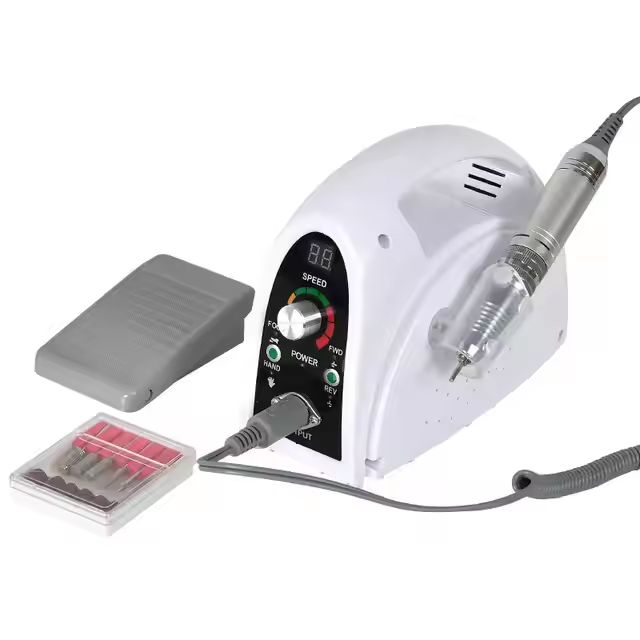
- 35000RPM Electric Manicure Pedicure Machine — corded workstation drill for salon use.
- 705 E File 35000rpm Nail Drill Set Machine — complete drill set with handpiece and bits.
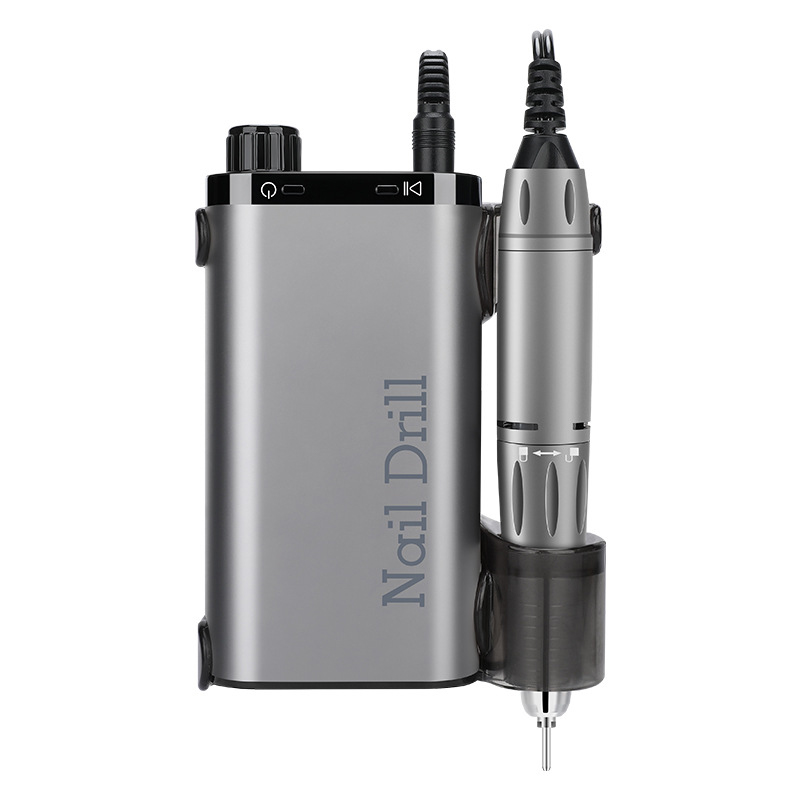
- P30 Power Storage 35,000 RPM Rechargeable Portable Armor Removal Grinder — cordless portable drill for mobile acrylic work.
- Professional wireless nail care tools — cordless tool set for acrylic and gel work.
- Nail Drill Bits — carbide, ceramic and diamond bits for acrylic shaping and removal.
- Rechargeable Nail Dust Collector Fan With Filter 40w — cordless dust extraction for acrylic filing.
- Nail Tool Sterilizer — for hygiene between clients.
For wholesale pricing, sample requests, or OEM inquiries, please send us an inquiry. Our team usually responds within 24 hours on business days.
Related Products



Hot Products

Silent Desktop Nail Vacuum with Filter
As the professional manufacture, we would like to provide you customized Silent Desktop Nail Vacuum with Filter And we will offer you the best after-sale service and timely delivery.The product is a multifunctional nail art hoover, strong wind power, low noise, large heat dissipation port, fast adsorption of nail art debris, round form fine filters, do not run dust and do not scatter dust, keep the nail art countertop clean, save time, save effort and no effort.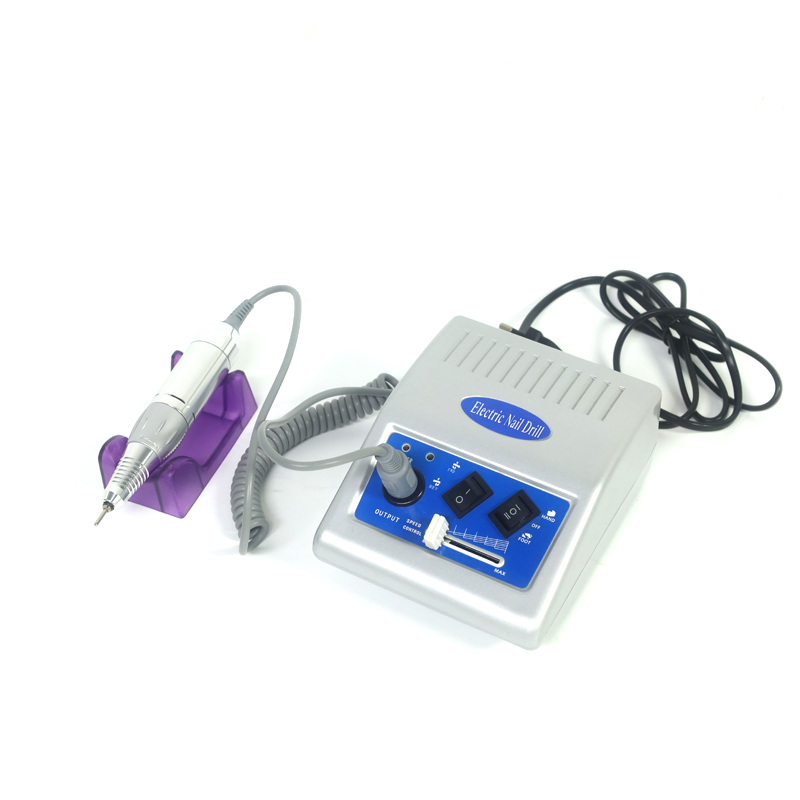
Professional Nail Art Machine
As the professional manufacture, we would like to provide you customized Professional Nail Art Machine. And we will offer you the best after-sale service and timely delivery.The product is 202 nail polishers, the product is suitable for making crystal nails, polishing surface nails, edges of personal care products, using the engineering principle design, fashionable shape, feel good, there is a high-quality motor running without noise.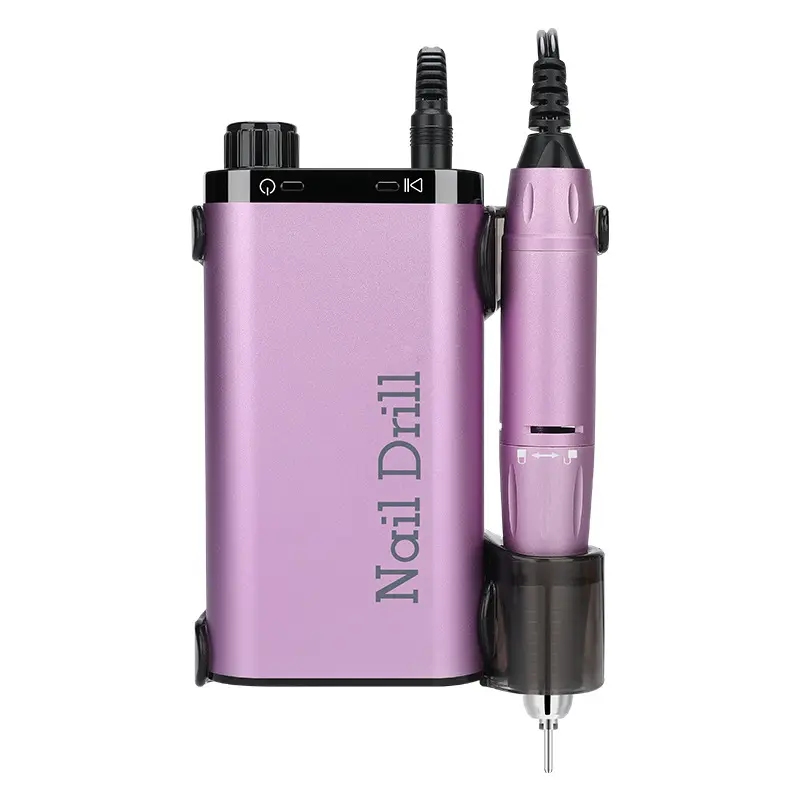
High-Quality Nail File
As the professional manufacture, we would like to provide you customized High-Quality Nail File. And we will offer you the best after-sale service and timely delivery.The product is 202 nail polishers, the product is suitable for making crystal nails, polishing surface nails, edges of personal care products, using the engineering principle design, fashionable shape, feel good, there is a high-quality motor running without noise.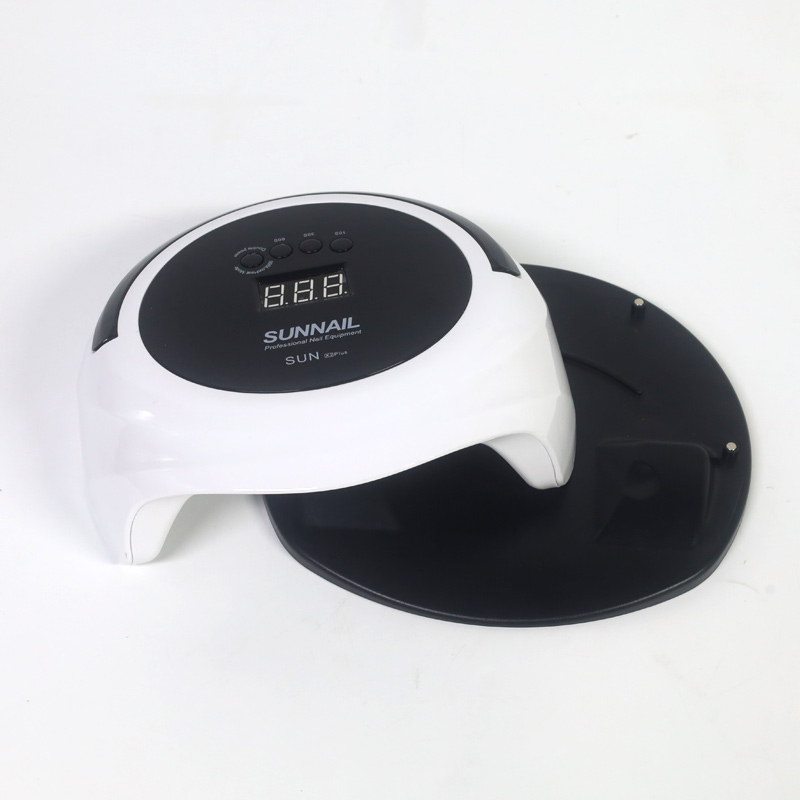
Portable Nail UV Lamp
As a professional manufacturer, we are pleased to offer customized Portable Nail UV Lamp. We provide premium after-sales service and ensure timely delivery. This product features intelligent red light technology that is gentle on hands, 5-second rapid drying, a large touchscreen display, and supports timer functions. With intuitive button controls and comprehensive operation guidance, even complete beginners can use it effortlessly.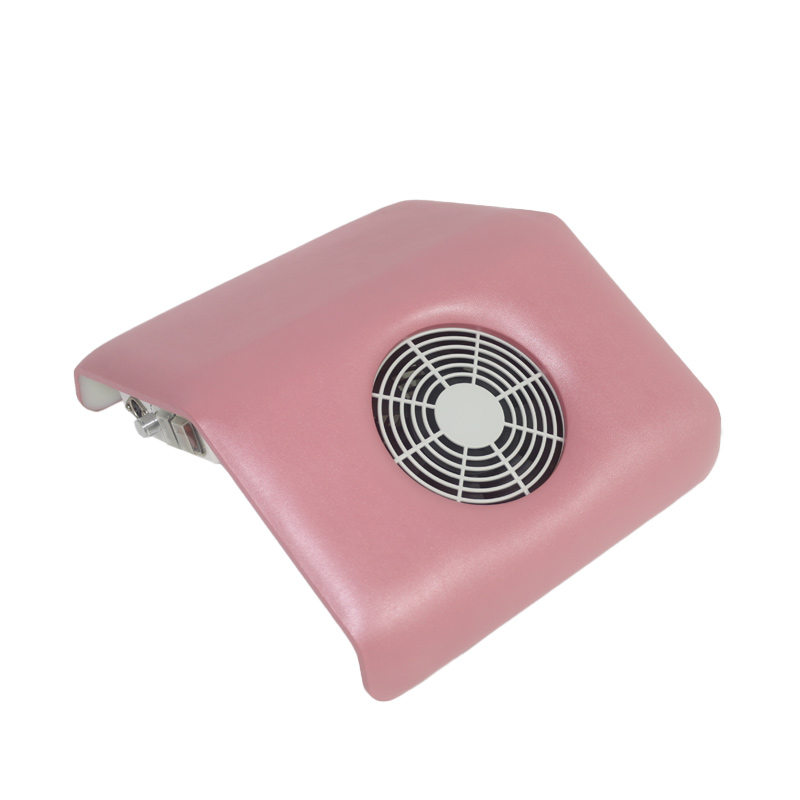
Multifunction Electric Nail Dust Collector
Ruina Optoelectronic is a professional Multifunction Electric Nail Dust Collector manufacturers and suppliers in China. Besides, Our factory offers customized Multifunction Electric Nail Dust Collector made in China with competitive price and good quality. We have nail art kits in stock, welcome to place an order.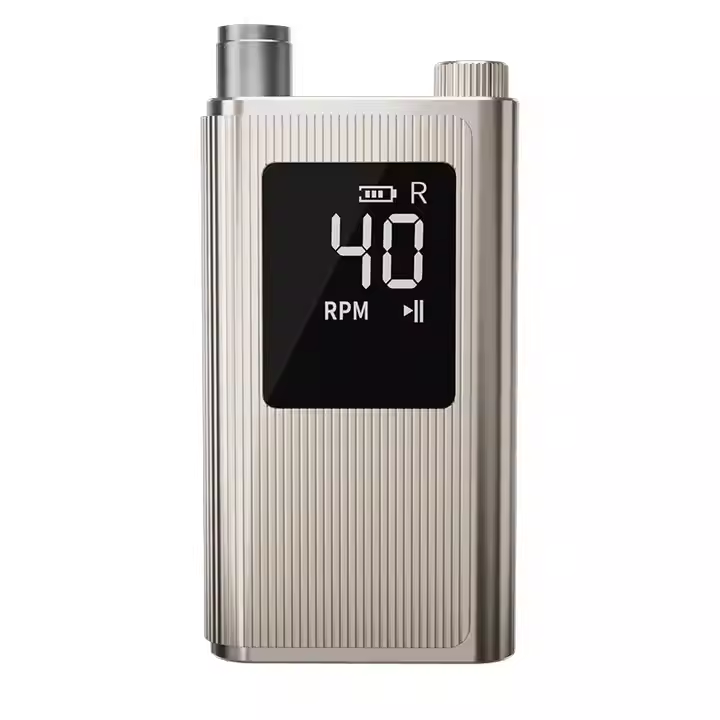
Rechargeable High Power Electric File Nail Drill
Shenzhen Ruina Optoelectronic Co.,Ltd. a leading China Rechargeable High Power Electric File Nail Drill manufacturer, supplier and exporter. Adhering to the pursuit of perfect quality of products, so that our 606 High Speed 40000 RPM Nail Polish Remover Electric Nail File have been satisfied by many customers. Extreme design, quality raw materials, high performance and competitive price are what every customer wants, and that's also what we can offer you. Of course, also essential is our perfect after-sales service.
- Related Blog
- Reviews

Related Search
Send Inquiry



X
We use cookies to offer you a better browsing experience, analyze site traffic and personalize content. By using this site, you agree to our use of cookies.
Privacy Policy