English
- English
-
 שפה עברית
 -
 繁体中文
繁体中文 -
 Latviešu
 -
 беларускі
 -
 Hrvatski
 -
 lugha ya Kiswahili
 -
 አማርኛ
አማርኛ -
 ქართული
 -
 Hausa
Hausa -
 Zulu
Zulu -
 Հայերեն
 -
 Igbo
Igbo -
 Yoruba
 -
 Español
 -
 Português
 -
 русский
 -
 Français
 -
 日本語
日本語 -
 Deutsch
 -
 tiếng Việt
 -
 Italiano
 -
 Nederlands
 -
 ภาษาไทย
 -
 Polski
 -
 Svenska
 -
 magyar
 -
 Malay
Malay -
 Dansk
Dansk -
 Suomi
Suomi -
 हिन्दी
 -
 Pilipino
 -
 Türkçe
 -
 العربية
 -
 Indonesia
 -
 Norsk
Norsk -
 český
český -
 ελληνικά
 -
 український
 -
 فارسی
فارسی -
 български
 -
 Қазақша
 -
 Azərbaycan
 -
 Slovenský jazyk
 -
 Lietuvos
 -
 Eesti Keel
 -
 Română
 -
 Slovenski
 -
 Srpski језик
 -
 한국어
한국어


China Portable Gel Polish Curing Lamp With Rechargeable Battery Manufacturers, Suppliers, Factory
Ask a technician what they dislike about cordless gel lamps and the answer is rarely the battery capacity. It is the uncertainty. A lamp that says "15600mAh" on the box does not tell you whether the battery will last through the fifth appointment of the day or die during the third. That uncertainty shapes behaviour: technicians charge the lamp after every service even when it does not need it, pack a backup lamp "just in case", or avoid cordless models altogether. The Portable Gel Polish Curing Lamp With Rechargeable Battery from Shenzhen Ruina Optoelectronic Co.,Ltd addresses the actual problem, which is not how much charge the battery holds, but whether the technician knows how much charge is left.
Battery Anxiety: The Real Cost of Going Cordless
A cordless lamp removes one dependency — the power outlet — and introduces another: the battery. That trade is worthwhile only if the battery is predictable. When it is not, the technician ends up managing the uncertainty rather than benefiting from the freedom.
The behaviour that results from unpredictable batteries is easy to recognise:
- Charging after every service — even when the battery has only dropped a fraction, just to avoid the risk of running low.
- Carrying a backup lamp — a second cordless lamp in the kit as insurance, adding weight and cost.
- Avoiding cordless altogether — sticking with a corded lamp for the main workstation and using a cordless lamp only for emergencies.
- Reducing the timer setting — using a shorter cure than the product actually needs, just to save battery.
None of these behaviours are necessary when the battery level is visible. A lamp with a real-time battery indicator lets the technician plan the day instead of reacting to it. The question shifts from "will it last?" to "I can see it will last, so I will keep working."
The LCD Battery Indicator Changes How You Use the Lamp
The lamp displays the remaining battery level on the round LCD screen alongside the curing countdown. The indicator updates in real time as the lamp is used, so the charge level drops gradually and predictably across the working day.
| Without Battery Indicator | What the Technician Does |
|---|---|
| Unknown charge level | Charges after every service; carries backup; worries mid-appointment |
| Sudden low battery | Service interrupted; client waits; technician improvises |
| No planning information | Cannot predict whether the lamp will last the day |
| With Battery Indicator | What the Technician Does |
|---|---|
| Visible charge level | Charges only when needed; no backup required; plans the day |
| Predictable drop | Sees battery decreasing over the day; knows when to charge |
| Planning information | Checks the level before leaving; confirms the lamp is ready |
This is a small feature on paper. In practice, it changes how the lamp is used. A technician who can see the battery level stops treating the lamp as a risk and starts treating it as a tool. That shift is what makes cordless operation genuinely useful rather than just technically possible.
How Much Charge Does a Gel Polish Service Actually Use?
Battery anxiety is often disproportionate to actual consumption. A gel polish service uses the lamp for a very short total time. Understanding that helps put the battery capacity in context.
| Service Step | Typical Curing Time |
|---|---|
| Base coat | 30 seconds |
| Colour layer 1 | 30 seconds |
| Colour layer 2 | 30 seconds |
| Top coat | 30–60 seconds |
| Total per client | Approximately 2–3 minutes of active curing |
Against a 15600mAh battery, two to three minutes of curing per client is a small fraction of the total capacity. The lamp is sized so that a full day of back-to-back appointments, typically six to eight clients, can be completed on a single charge without approaching low battery. The battery indicator confirms this in real time, which is what removes the guesswork.
For technicians who work primarily with thicker products such as builder gel or hard gel, the 60-second and 99-second timer settings use more energy per cycle. Even so, the battery capacity is designed to handle a typical salon day with those settings. If the indicator shows a lower level than expected, the lamp can be charged during the day without interrupting services.
Charging While Using: The Backup Plan That Removes the Risk
Even with a visible battery indicator, there may be days when the charge runs lower than expected. The lamp handles those situations without interrupting the workflow. When plugged into the charging adapter, the lamp draws power from the adapter rather than the battery. Curing continues at full 72W output, and the battery charges in the background at a slower rate.
The practical effect is that there is no such thing as a "dead battery" during a client appointment. If the indicator shows low, the technician plugs the lamp in, keeps curing, and the battery tops up while the service continues. This eliminates the need for a backup lamp and the need to reschedule appointments around battery levels.
For a completely cordless workstation that still has a fallback option, the lamp pairs well with the Rechargeable Nail Drill Set 25w USB Cable 35000rpm and the Rechargeable Nail Dust Collector Fan With Filter 40w. All three can be charged from the same type of adapter.
Charging Inside the Case: Overnight Without Unpacking
The charging port is positioned on the side of the lamp housing rather than on the back. This means the lamp can remain inside a standard equipment case during charging. For a mobile technician, this is a small detail that saves time at the end and beginning of every working day.
The routine becomes simpler: pack the lamp at the end of the day, plug the adapter into the side port, and let the lamp charge overnight. In the morning, check the battery indicator through the case opening, confirm the lamp is ready, and leave. There is no unpacking and repacking involved.
For a salon-based technician who keeps the lamp on the station, the side port is convenient for the same reason. The lamp does not need to be moved or turned around to access the charging port.
Long-Term Storage and Battery Health
Home users who cure gel polish once every few weeks may leave the lamp unused for extended periods. Under those conditions, the 15600mAh battery retains usable charge for months. For best long-term battery health, the recommended storage practice is to charge the battery to roughly half before extended storage and top it up periodically.
Salon technicians who use the lamp daily do not need to worry about extended storage. The battery maintains its capacity through regular charge and discharge cycles. Over several years of use, the battery will gradually hold less charge per cycle, but the curing performance itself remains consistent until the battery approaches end of life.
Who This Battery-First Lamp Is For
- Technicians who tried cordless and switched back — the visible battery indicator removes the uncertainty that made cordless impractical.
- Mobile nail technicians — predictable battery levels plus the ability to charge inside the case make travel routines simpler.
- Salon technicians with high client volume — the 15600mAh battery covers a full working day, and the indicator shows it clearly.
- Technicians who charge overnight — the side charging port allows charging while packed.
- Home users who do not want to think about battery — a single charge lasts months for occasional gel polish use.
- Anyone comparing battery capacity between lamps — capacity matters less than whether the remaining charge is visible.
Technical Details
| Product Name | Portable Gel Polish Curing Lamp With Rechargeable Battery |
|---|---|
| Model Number | 72W Rechargeable Cordless |
| Power | 72 Watts |
| LED Beads | 52 LED UV Beads |
| Light Source | Dual Wavelength 365nm + 405nm |
| Irradiation Coverage | 180° without dead angles |
| Battery Capacity | 15600mAh rechargeable |
| DC Output | 15V 1.5A |
| Display | LCD Screen with countdown and real-time battery indicator |
| Timer Settings | 30s / 60s / 99s |
| Auto Sensor | Yes (intelligent UV sensor) |
| Charging Port | Side-mounted for in-case charging |
| Use While Charging | Yes; lamp draws from adapter at full 72W output |
| Base Plate | Non-slip, removable for cleaning and pedicure use |
| Top LED Beads | Individually replaceable |
| Material | ABS / PU Paint / Rubber Paint |
| Product Size | 218 × 211 × 97 mm (L × W × H) |
| Color Options | Pink / White / Black |
| Lifetime | 50,000 Hours (LED) |
| Feature | Portable / Cordless / Rechargeable |
| Certification | CE, ROHS |
FAQ
Why does battery anxiety happen with cordless gel lamps?
Battery anxiety comes from uncertainty, not from actual battery depletion. When a technician does not know how much charge is left, every appointment carries a small risk of the lamp dying mid-service. That uncertainty leads to over-charging, carrying backup lamps, or avoiding cordless models altogether. The problem is not the battery itself. It is the lack of information. A lamp with a visible battery indicator removes the uncertainty, so the technician can plan the day rather than guess at it.
What does the LCD battery indicator actually show?
The round LCD screen on this lamp displays the remaining battery level alongside the curing countdown. The indicator updates in real time as the lamp is used, so the technician can see the charge level drop gradually across a working day rather than discovering a low battery only when the lamp refuses to start. The screen also shows the current timer mode when a curing cycle is active.
How much charge does a single gel polish service actually use?
A standard gel polish service uses the lamp for roughly three to five curing cycles, each lasting 30 to 60 seconds. In total, the lamp runs for around two to four minutes per client. Against a 15600mAh battery, the charge consumed per service is small. The battery is sized so that a full working day of back-to-back appointments, typically six to eight clients, can be completed on a single charge without approaching low battery.
What happens if the battery runs low during a client appointment?
The lamp can be plugged into its charging adapter and used at the same time. The curing function continues normally, and the battery charges in the background. This means a low battery does not interrupt the service, does not require the client to wait, and does not force the technician to reschedule. For a mobile technician, keeping the charging adapter in the kit removes the last remaining battery concern.
Can the lamp be charged inside its case?
Yes. The charging port is positioned on the side of the lamp housing, so the unit can remain inside a standard equipment case during charging. This is useful for technicians who pack at the end of the day and want the lamp to charge overnight without unpacking and repacking it the next morning. The battery indicator can be checked through the case opening before leaving for the day's appointments.
Does charging while using affect curing performance?
No. When the lamp is plugged into the charging adapter, it draws power from the adapter rather than from the battery. The curing output remains constant at 72W whether the lamp is running on battery or on adapter power. The battery charges in the background at a slower rate while the lamp is in use, and the charge rate returns to normal when the lamp is idle.
How does the lamp handle long periods of storage between uses?
For home users who cure gel polish once every few weeks, the lamp may sit unused for extended periods. Under those conditions, the 15600mAh battery retains usable charge for months. For best long-term battery health, the lamp should be stored at roughly half charge during extended storage and topped up periodically. This is standard practice for lithium batteries and applies to any rechargeable device.
What is the practical runtime difference between the 30s and 99s timer settings?
The 30-second timer is the standard setting for thin gel polish layers and consumes the least battery per cycle. The 60-second timer is used for builder gel and consumes twice the energy per cycle. The 99-second timer is used for very thick applications and consumes roughly three times the energy of a 30-second cycle. A technician who works mainly with thin gel polish will get more appointments per charge than one who works mainly with builder gel.
Does battery age affect curing consistency?
Under normal use, no. The lamp regulates its output to maintain the 72W curing intensity across the usable battery range. Output remains consistent until the battery reaches a very low level, at which point the lamp reduces power as a safety feature rather than cutting off suddenly. Over years of use, the battery will gradually hold less charge per cycle, but the curing performance itself does not degrade until the battery is near end of life.
How do I know when the battery needs to be replaced?
If a full charge no longer supports a normal working day, or if the battery indicator drops unusually fast during a service, the battery may be approaching the end of its service life. Under normal charging habits, this typically occurs after several years of daily salon use. For specific guidance on battery replacement or service, please contact our support team.
Related Products
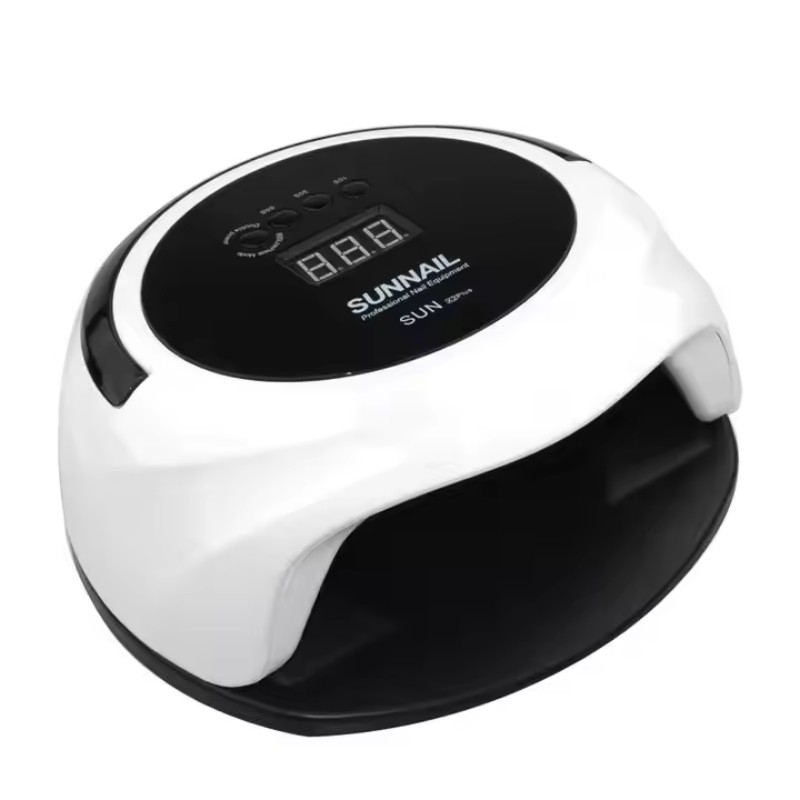
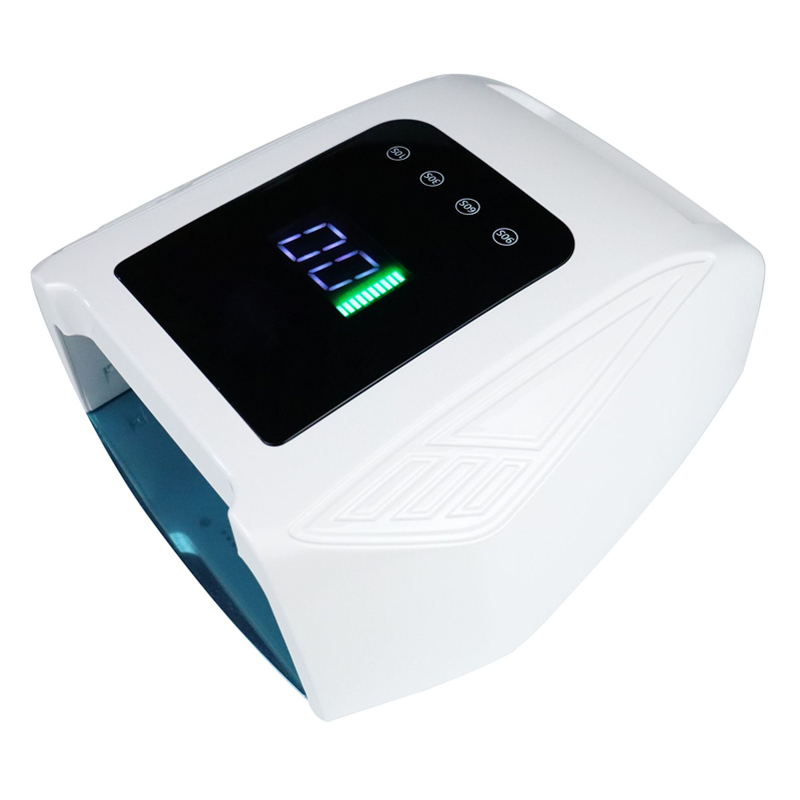
- Rechargeable 72W UV LED Nail Lamp For Gel Polish — same 72W platform, focused on even gel polish curing.
- Portable Cordless UV Nail Lamp With Battery — same 72W platform, focused on mobile technician workflows.
- 72W LED Gel Nail Lamp With Smart Sensor — same 72W platform, focused on hands-free curing workflow.
- Wireless UV Nail Lamp For Home And Salon Use — same 72W platform, focused on the home-and-salon overlap.
- 72W Rechargeable Cordless Nail Dryer Lamp Machine — alternative 72W cordless configuration.
- Rechargeable Nail Dryer Lamp Cordless with Heart-shape 72w — compact 72W cordless lamp for detail work.
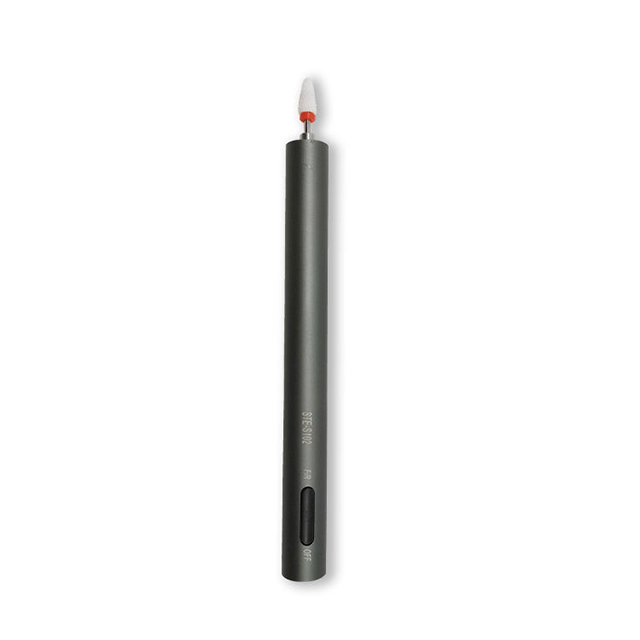
- Rechargeable Nail Drill Set 25w USB Cable 35000rpm — cordless drill for a fully wireless workstation.
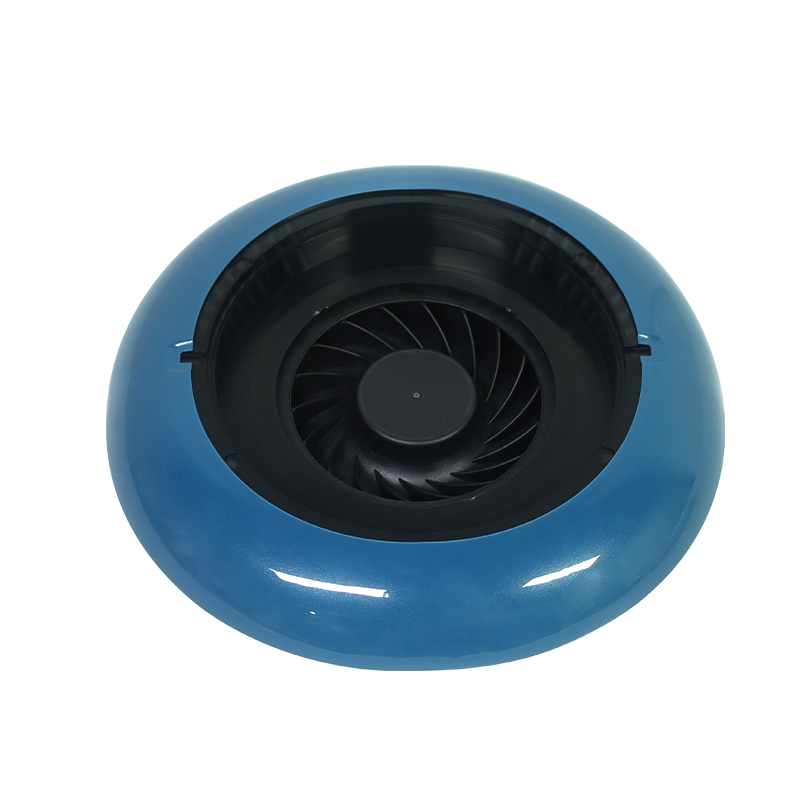
- Rechargeable Nail Dust Collector Fan With Filter 40w — cordless dust extraction for filing and shaping.
- Nail Hand Pillow — stabilises the hand during curing and detailed nail art.
- Nail Tool Sterilizer — for hygiene between clients.
For wholesale pricing, sample requests, or OEM inquiries, please send us an inquiry. Our team usually responds within 24 hours on business days.
Related Products



Hot Products
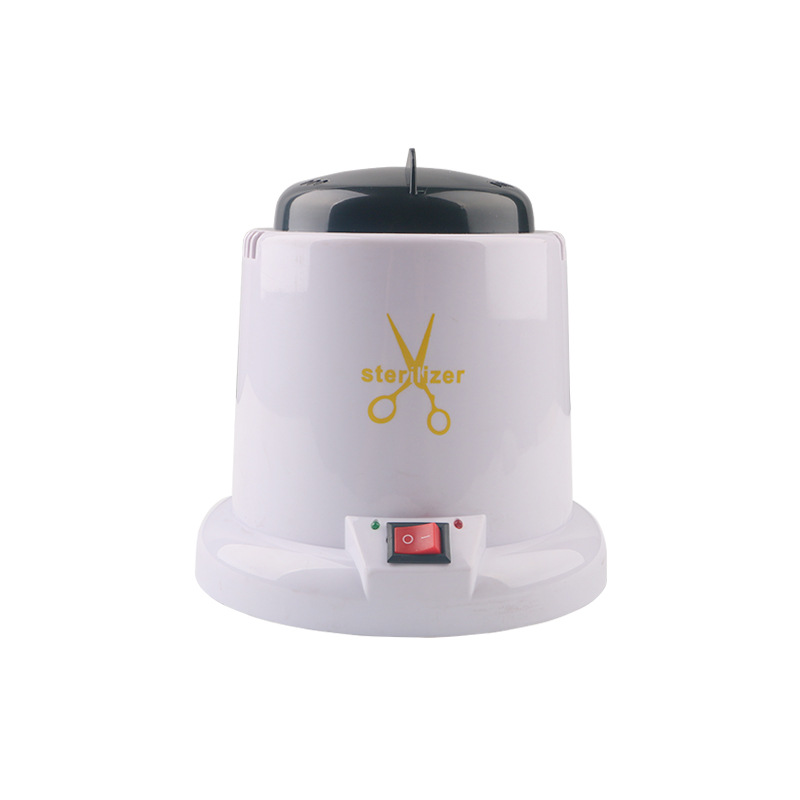
Professional Sterilization Tool
As the professional manufacture, we would like to provide you customized Professional Sterilization Tool. And we will offer you the best after-sale service and timely delivery.The product is multifunctional high-temperature sterilizer, opened sterile life, high-temperature disinfection, intelligent timing, rapid disinfection, inhibit the growth of viruses, applicable to a variety of household items.
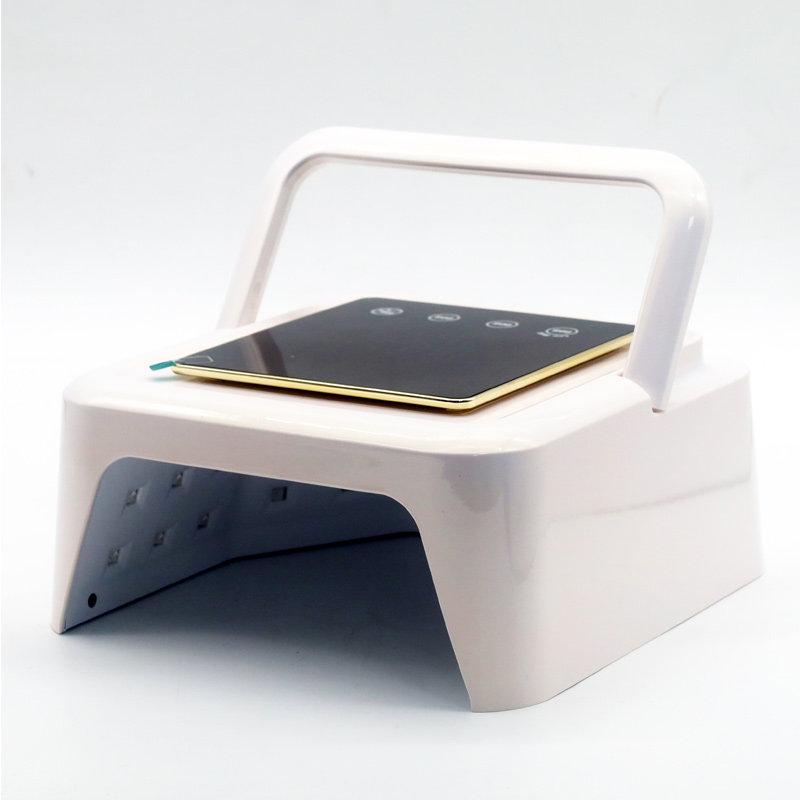
Rechargeable Gel Nail Dryer Lamp 96w
Quality Rechargeable gel Nail dryer Lamp 96w S90 plus gel nail lamp Pro Cure Cordless 96w Led Uv Lamp With Carry Handle, Infrared Sensor 48pcs strategically-placed leds 180 degrees all-round Curing gel, Baking gel more evenly and thoroughly,high power and fast curing,portable.Fast charging and long use. This gel nail lamp is very convenient and spacious for nail salon use.We have our own production plant, which gives us an absolute advantage in terms of price, Factory production line, sufficient production capacity, welcome customers all over the world, can consult, and find us for procurement.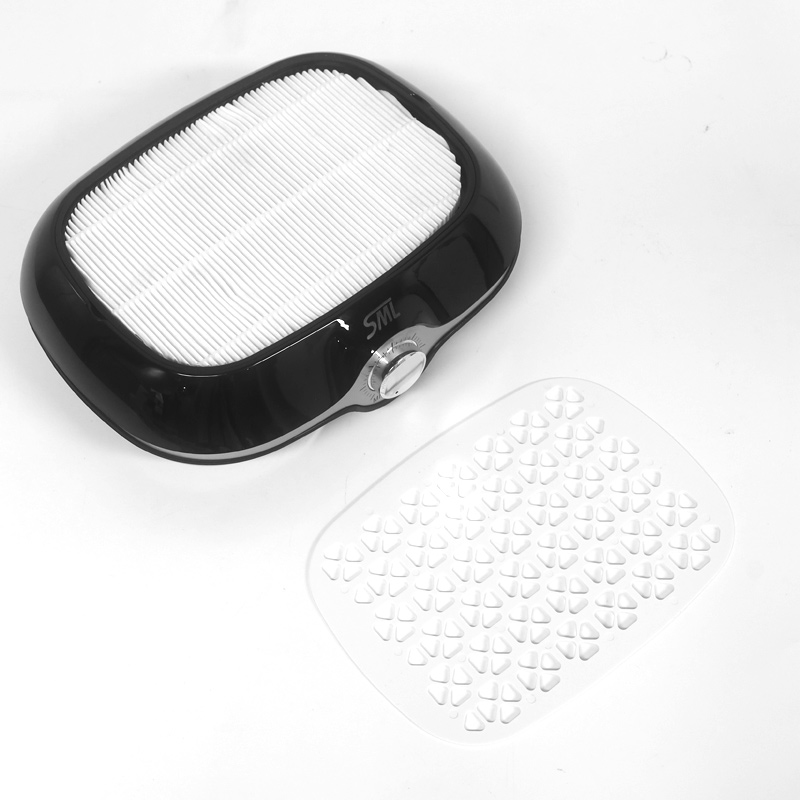
Nail Dust Collector with Replaceable Filter
RUINA’s Nail Dust Collector with Replaceable Filter keeps your workspace truly dust-free. The powerful suction traps fine acrylic and gel particles instantly, while the washable, replaceable filter saves you money and ensures lasting performance. No more sneezing or messy cleanups—just a healthier, more comfortable salon experience for nail techs and home enthusiasts alike. Upgrade your craft with RUINA and breathe easier today.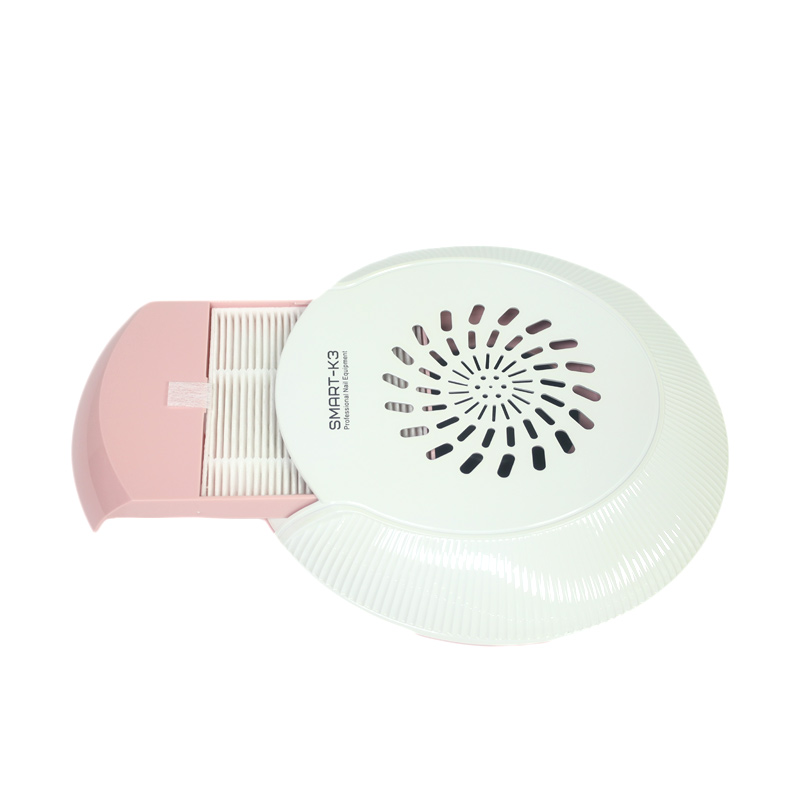
Compact dust collector with micro grinder pen
Professional suppliers and precision technicians choose RUINA compact dust collector with micro grinder pen. Combines precision carving with instant debris extraction—every engraving stroke stays visible and dust-free. The integrated pen captures particles right at the tip, while the quiet motor runs continuously without overheating your hand or work surface. Ideal for dental techs, circuit board modifiers, and miniature modelers who demand accuracy in every micron. Keeps your line of sight clear and workflow uninterrupted. Flawless finishes, complete control. RUINA—precision engineering, clean execution.
UV Lamp Professional Nail Dryer 168w
UV Lamp Professional Nail Dryer 168w Professional Dry Lamp UV Gel Nail Polish Drying Quick Dry Art Salon Equipment All Supplies,The product has passed the CE.ROHS certification, The design is very unique. More like a work of art.It can be used in salons or home use or DIY.We have our own production plant, which gives us an absolute advantage in terms of price, We look forward to being your long-term partner in China.
Short Coffin Nail Tips Clear
This is 2022 Short Coffin Nail Tips Clear, You can attach the nail tips to the nail and create the color and pattern you want to decorate it. No longer because of nail growth worry, you can anytime, anywhere, remove the previous nail tips, and then create a beautiful pair of nails. Beauty is something that everyone longs for.We are factory wholesale,you can send us inquiry to order some. Coffin shape Nail Tip is Fashion and individuality..
- Related Blog
- Reviews

Send Inquiry



X
We use cookies to offer you a better browsing experience, analyze site traffic and personalize content. By using this site, you agree to our use of cookies.
Privacy Policy