English
- English
-
 שפה עברית
 -
 繁体中文
繁体中文 -
 Latviešu
 -
 беларускі
 -
 Hrvatski
 -
 lugha ya Kiswahili
 -
 አማርኛ
አማርኛ -
 ქართული
 -
 Hausa
Hausa -
 Zulu
Zulu -
 Հայերեն
 -
 Igbo
Igbo -
 Yoruba
 -
 Español
 -
 Português
 -
 русский
 -
 Français
 -
 日本語
日本語 -
 Deutsch
 -
 tiếng Việt
 -
 Italiano
 -
 Nederlands
 -
 ภาษาไทย
 -
 Polski
 -
 Svenska
 -
 magyar
 -
 Malay
Malay -
 Dansk
Dansk -
 Suomi
Suomi -
 हिन्दी
 -
 Pilipino
 -
 Türkçe
 -
 العربية
 -
 Indonesia
 -
 Norsk
Norsk -
 český
český -
 ελληνικά
 -
 український
 -
 فارسی
فارسی -
 български
 -
 Қазақша
 -
 Azərbaycan
 -
 Slovenský jazyk
 -
 Lietuvos
 -
 Eesti Keel
 -
 Română
 -
 Slovenski
 -
 Srpski језик
 -
 한국어
한국어


Home
>
Products > Nail Dust Collector
> Nail Dust Collector Electric
>
Small dust collector with replaceable square filter mesh


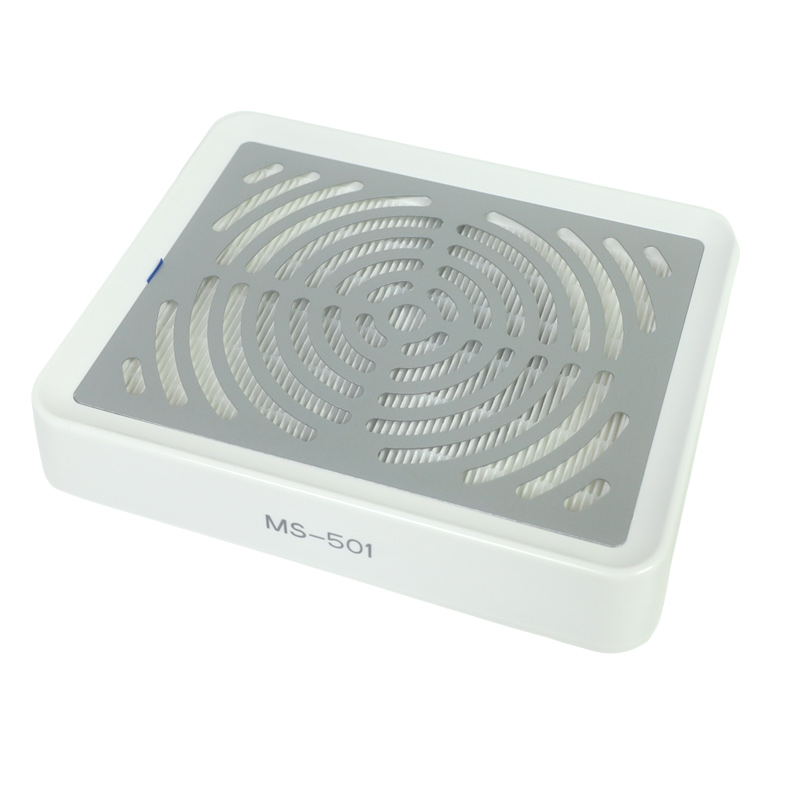
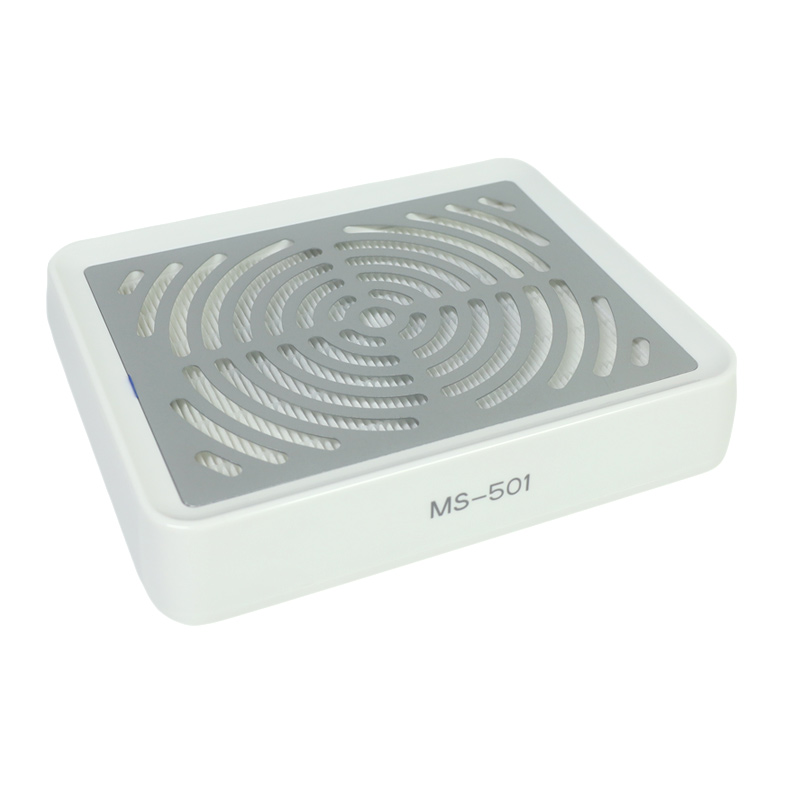
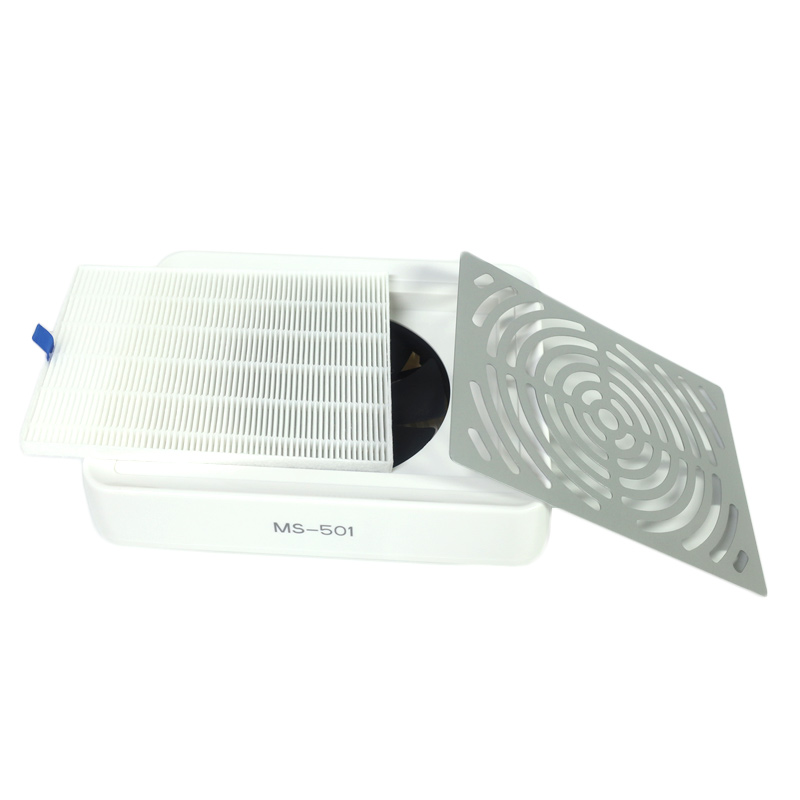
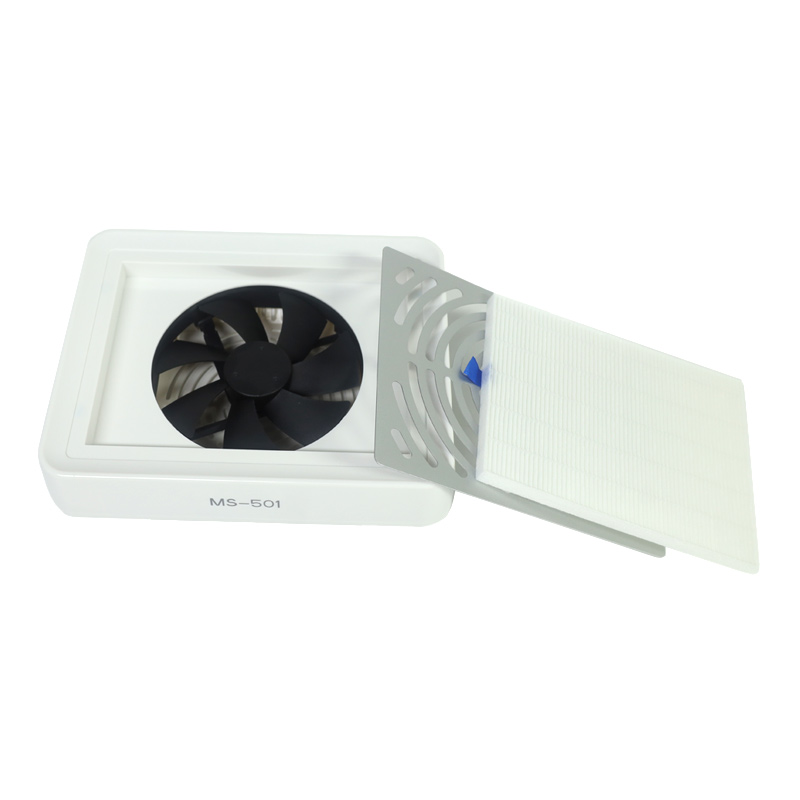
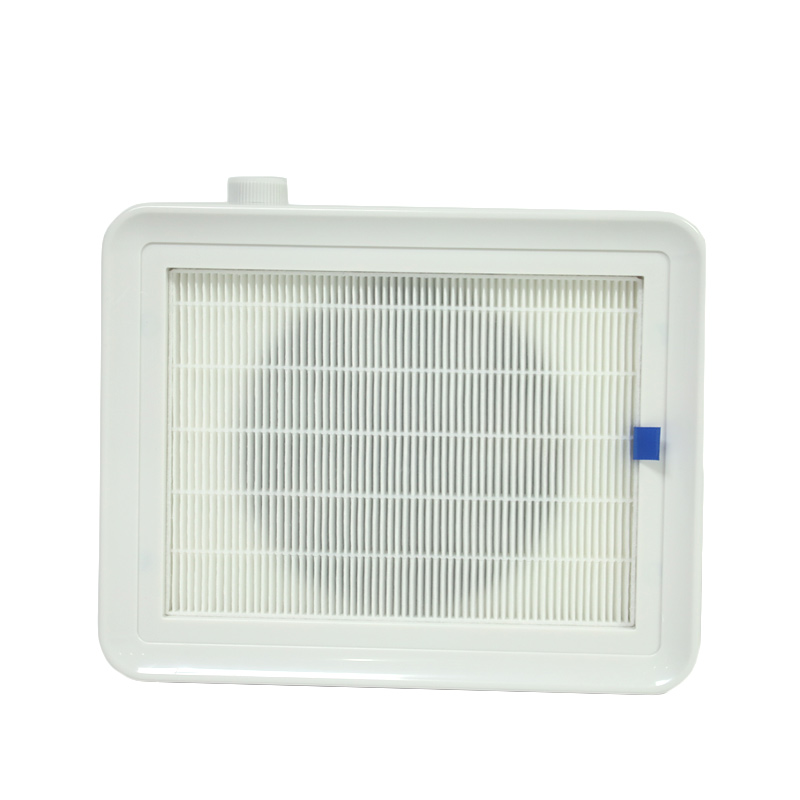
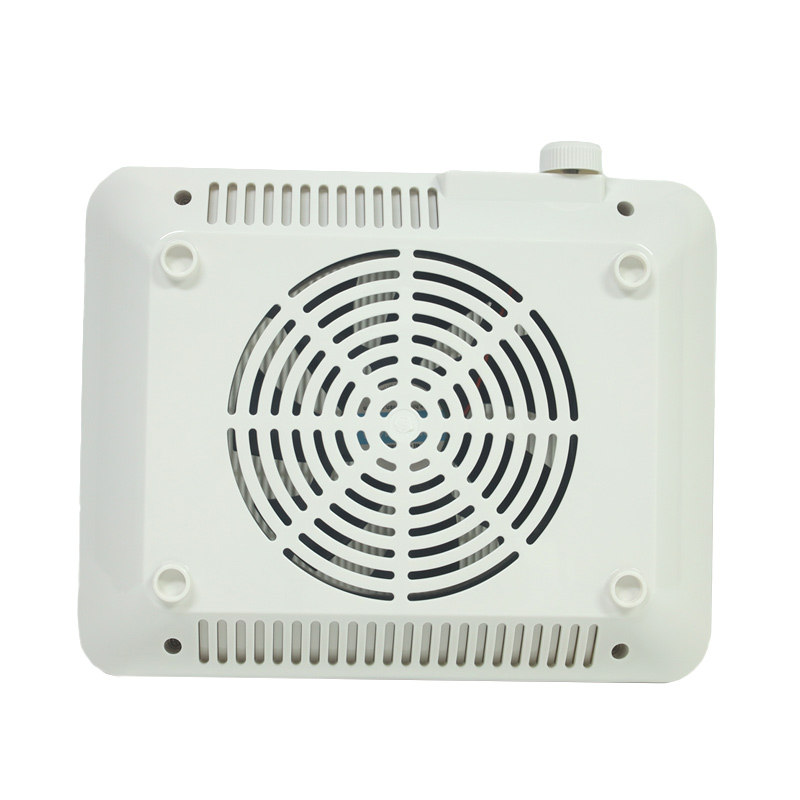
Small dust collector with replaceable square filter mesh
Professional suppliers and workshop technicians choose RUINA small dust collector with replaceable square filter mesh. Traps fine dust while the flat-fold mesh maximizes airflow without clogging. Swap the square cartridge in seconds—no twisting, no alignment fuss, just a snug slide-in fit. Ideal for jewelry makers, 3D printer rooms, or benchtop stations where space is premium. Square design utilizes every inch of media for consistent suction—unlike round filters that waste corner capacity. Keep your breathing zone clear and your focus sharp. RUINA—smart, space-wise filtration.
Send Inquiry
Product Description
The Professional's Guide to Small Dust Collector with Replaceable Square Filter Mesh
Ruina Optoelectronic is a trusted supplier of the Small Dust Collector with Replaceable Square Filter Mesh – the industrial-grade solution for workshops, small fabrication shops, and processing lines requiring efficient source-capture dust collection in space-constrained environments. This guide covers engineering specifications, filtration technology, and expert answers.
In the landscape of industrial air filtration, space constraints often dictate equipment choices. For workshops, small fabrication shops, and processing lines where floor space is at a premium, the Small Dust Collector with Replaceable Square Filter Mesh offers a compelling balance of performance and footprint.
These units are engineered for source-capture applications, collecting dust and particulates directly at the point of generation, thereby protecting worker health and maintaining compliance with workplace safety regulations. This guide provides a detailed technical examination of these systems, focusing on the engineering principles and specifications that drive operational excellence.
Core Technical Specifications
Understanding the core parameters is essential for matching a dust collector to a specific application. The following table outlines the baseline specifications for standard Small Dust Collectors with Replaceable Square Filter Mesh.
| Parameter | Specification Range | Operational Impact |
| Airflow Capacity | 300 – 2,000 CFM | Determines the effective capture range; typically designed for single or dual-machine source capture |
| Filtration Area | 1.8 – 10.5 m² | Larger filtration area allows for a lower air-to-cloth ratio, which extends filter life and reduces cleaning frequency |
| Filter Media Type | Square Mesh / Pleated Cartridge | Mesh provides mechanical separation; pleated cartridges offer increased surface area for fine dust capture |
| Filtration Efficiency | 99.9% (≥5 microns, standard) | Efficiency is determined by the mesh aperture; finer meshes capture smaller particles but increase resistance |
| Filter Shape | Square / Rectangular | Designed to maximize surface area within a compact, space-efficient housing |
| Cleaning Mechanism | Manual / Pulse-Jet | Pulse-jet allows for continuous operation with automated cleaning; manual requires periodic downtime |
| Housing Material | Powder-Coated Steel / Stainless Steel | Stainless steel is preferred for corrosion resistance or applications involving moisture |
| Maximum Pressure Drop | 4-6 inches of water | Indicates when filter replacement is required to maintain performance |
Detailed Product Parameters
1. Square Filter Mesh Configuration
The "square filter mesh" refers to a flat or pleated filter element with a square or rectangular frame. These elements are designed for ease of installation and removal, often featuring quick-release clamps or thumb screws.
| Mesh Type | Material | Best For |
| Woven mesh | Polyester / Fiberglass | Standard dry dust applications |
| Pleated cartridge | Polyester with nanofiber coating | Enhanced efficiency for sub-micron particulates |
| Stainless steel mesh | 304/316 stainless steel | Corrosive environments, washable applications |
The mesh itself can be woven from various materials, with the aperture size defining the filtration capability. A smaller mesh opening captures finer particles but results in a higher pressure drop. For standard dry dust, a polyester or fiberglass media is common, while nanofiber coatings can enhance efficiency for sub-micron particulates.
2. Air-to-Cloth Ratio
This is perhaps the most critical metric for system longevity.
| Air-to-Cloth Ratio | Impact on Performance |
| < 1.5:1 | Optimal; minimal stress on filter, longer intervals between replacements |
| 1.5:1 – 2.5:1 | Acceptable for moderate-duty applications |
| > 2.5:1 | High stress; shorter filter life, more frequent cleaning |
The air-to-cloth ratio measures the volume of air (in CFM) passing through one square foot of filter media. A lower ratio (e.g., 1.5:1) means less stress on the filter, better dust cake formation, and longer intervals between replacements. In compact units, the filtration area is often limited by physical size, so selecting a model with an adequate area for the intended dust load is vital.
3. Pressure Drop and Replacement Indicators
Differential pressure (ΔP) is the resistance to airflow across the filter. This is measured by comparing pressure in the dirty air plenum versus the clean air plenum.
| Pressure Drop Reading | Action Required |
| Baseline (clean filter) | Normal operation |
| 2-3 inches of water | Monitor; cleaning may be needed |
| 4-6 inches of water | Replace filter or initiate cleaning cycle |
| > 6 inches of water | Immediate replacement required; risk of motor burnout |
As the filter mesh captures dust, the ΔP increases. Most Small Dust Collectors with Replaceable Square Filter Mesh include a pressure gauge or magnehelic to monitor this value. Replacing the filter when the ΔP reaches the manufacturer's specified limit (typically 4-6 inches of water) ensures system efficiency and prevents fan motor burnout.
Technical Specification Comparison Matrix
| Feature | Standard Compact Unit | Premium Compact Unit |
| Airflow Capacity | 300 – 1,000 CFM | 1,000 – 2,000 CFM |
| Filtration Area | 1.8 – 5.0 m² | 5.0 – 10.5 m² |
| Cleaning Mechanism | Manual shaker | Pulse-jet with automated cleaning |
| Housing Material | Powder-coated steel | Stainless steel |
| Filter Access | Bolt-on access panel | Quick-release clamps |
| Pressure Gauge | Optional | Standard (magnehelic) |
| Warranty | 12 months | 24 months |
Small Dust Collector with Replaceable Square Filter Mesh Details
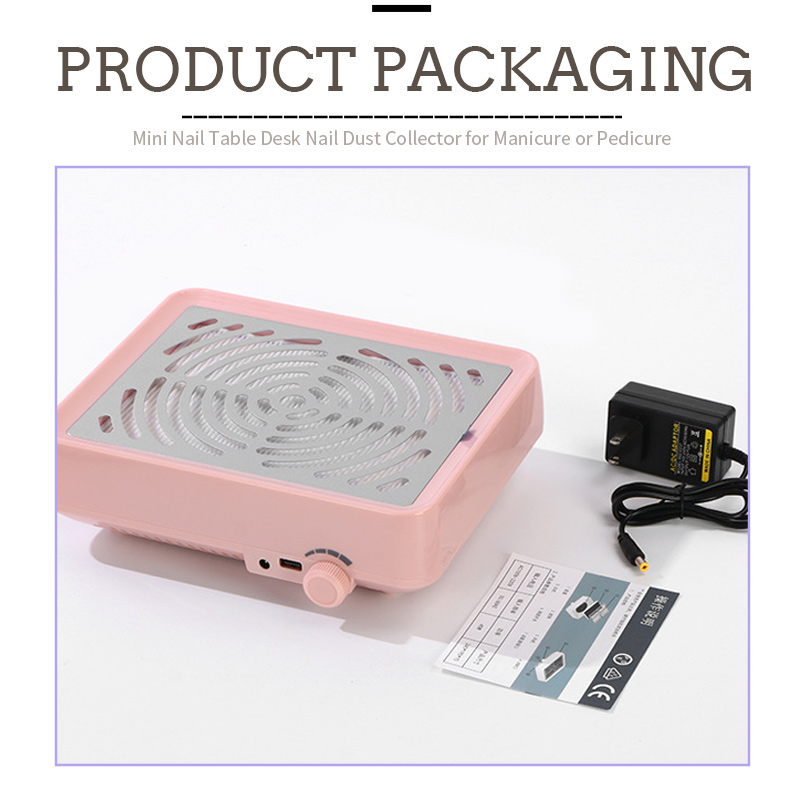
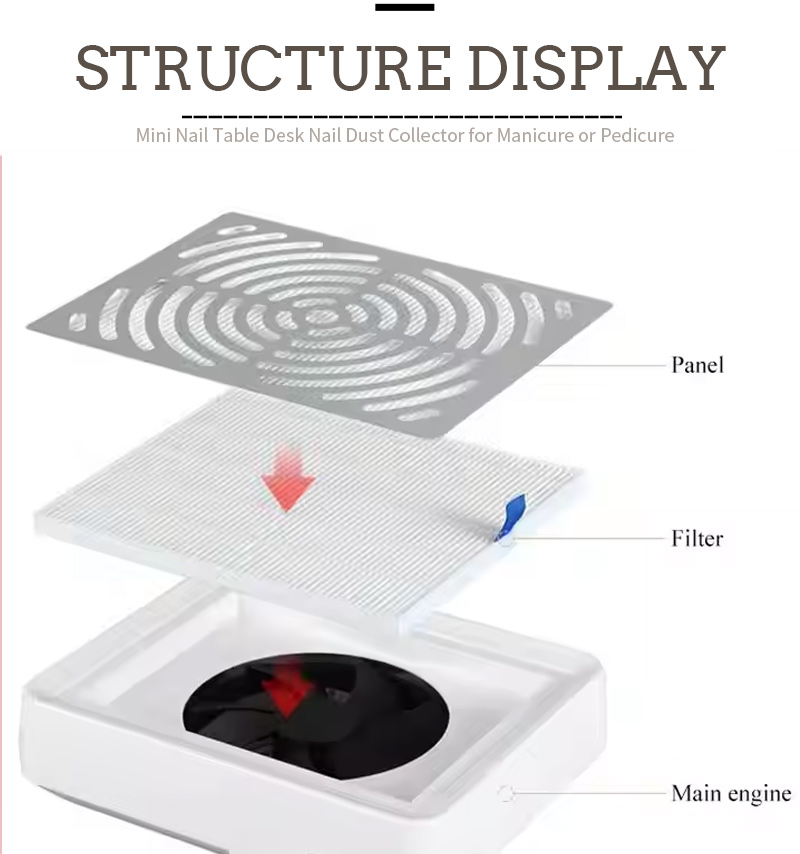
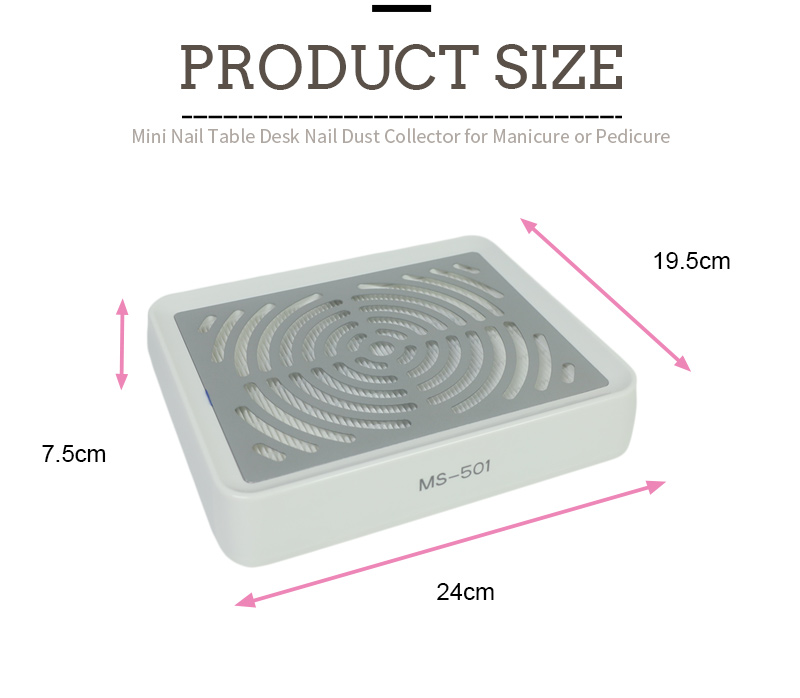
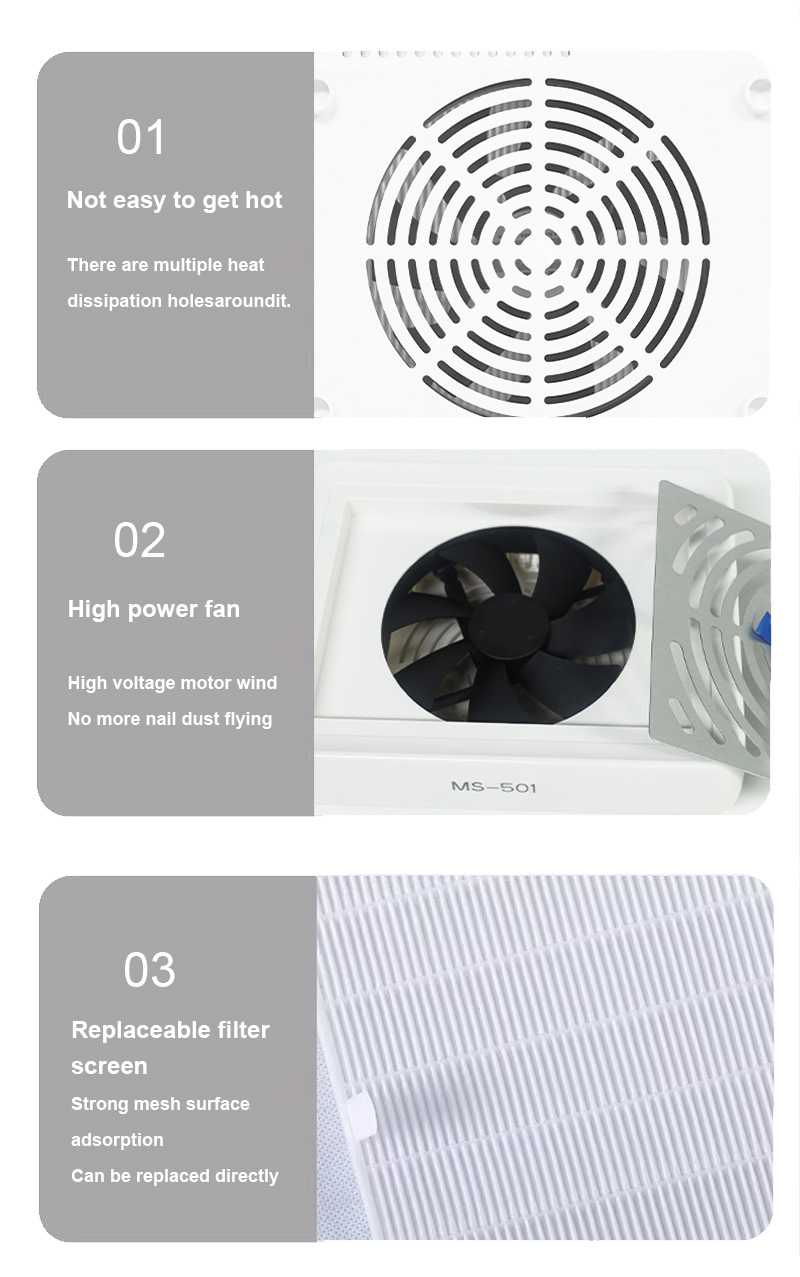
Small Dust Collector with Replaceable Square Filter Mesh – FAQ
Q1: How often should the square filter mesh be replaced?
A: The replacement interval is dictated by the differential pressure reading across the filter, rather than a fixed time schedule.
| Usage Level | Typical Replacement Interval |
| Light-duty / Intermittent | Every 6-12 months |
| Moderate-duty | Every 3-6 months |
| Heavy-duty / Continuous | Monthly |
As the square mesh accumulates dust, the resistance to airflow increases. Once the pressure drop reaches the manufacturer's recommended maximum (usually 4–6 inches of water gauge) and the cleaning mechanism fails to restore the baseline reading, replacement is necessary.
Critical signs that replacement is needed:
- ΔP exceeds 6 inches of water
- Visible damage, tears, or holes in the mesh
- Sudden drop in pressure suggesting a bypass
- Dust escaping from the exhaust
For moderate-duty applications, this may occur every 3 to 6 months, while heavy-load operations may require monthly changes. Always replace the filter if you observe visible damage, tears, or a sudden drop in pressure that suggests a bypass.
Q2: Can I wash and reuse a square filter mesh to extend its life?
A: This depends on the media type.
| Filter Media | Washable? | Recommended Action |
| Stainless steel mesh | Yes | Washable and reusable if undamaged |
| Polyester pleated cartridge | No | Replace when saturated |
| Fiberglass media | No | Discard and replace |
| Nanofiber-coated media | No | Dry cleaning only |
Some stainless steel square mesh filters are designed to be washable and reusable, provided they are not damaged. However, for pleated cartridge-style square filters made from polyester or fiberglass, washing is generally not recommended.
Critical warning: Attempting to wash these filters often embeds fine dust deeper into the media or causes micro-tears, which create holes for dust to leak through. The improved airflow observed after washing may actually be due to these holes rather than effective cleaning.
For filter types rated as reusable, follow a strict cleaning procedure and always inspect for damage afterward.
Q3: What MERV rating is appropriate for a small dust collector with a square mesh filter?
A: MERV (Minimum Efficiency Reporting Value) ratings apply primarily to pleated media filters.
| MERV Rating | Typical Application | Efficiency |
| MERV 8 | Wood shavings, metal chips | Basic coarse dust capture |
| MERV 11 | General industrial dust | 95% on 0.3-1 micron |
| MERV 15 | Fine powders, welding fume | > 95% on 0.3-0.5 micron |
| MERV 16 | Pharmaceutical, sub-micron | > 99% on 0.3 micron |
For standard industrial applications capturing coarse dust (e.g., wood shavings, metal chips), a MERV 8 to MERV 11 is often sufficient. For fine particulate such as welding fume, pharmaceutical powders, or nuisance dust, a MERV 15 or MERV 16 is recommended.
Critical consideration: It is critical to verify that your unit's fan has adequate static pressure to handle a higher-MERV filter, as the increased efficiency comes with greater resistance. Installing a filter with too high a MERV rating on an undersized fan will starve the system of airflow and could overwork the motor.
Who Needs This Device?
| Industry | Primary Application |
| Woodworking shops | Sawdust, sanding dust capture |
| Metal fabrication | Grinding dust, metal shavings |
| Small manufacturing | Process dust, material handling |
| Pharmaceutical | Fine powder containment |
| Food processing | Flour, grain, spice dust control |
| Automotive workshops | Brake dust, sanding residue |
Why Choose Ruina Optoelectronic as Your Supplier?
Ruina Optoelectronic has been manufacturing industrial air quality equipment for over a decade. Every Small Dust Collector with Replaceable Square Filter Mesh undergoes rigorous quality control testing before shipping. As a trusted supplier, Ruina Optoelectronic offers:
- Bulk order discounts for industrial facilities, distributors, and engineering firms
- Custom configuration options for specific filtration requirements
- Fast global shipping with tracking
- Responsive technical support for product inquiries
- Consistent quality across every batch with lot number traceability
- Replacement filter availability for long-term maintenance
Final Verdict
Selecting a Small Dust Collector with Replaceable Square Filter Mesh is a decision that directly impacts workplace air quality, regulatory compliance, and operational efficiency. The technical data is clear: proper airflow capacity, filtration area, and cleaning mechanism selection are critical to system longevity.
Regular monitoring of differential pressure, timely filter replacement, and using quality filters ensure consistent performance and lower total cost of ownership. By choosing a unit that matches your dust load and maintaining its filtration system with regularity, you eliminate airborne particulates at the source, ensuring a cleaner, safer, and more compliant industrial environment.
Order your Small Dust Collector with Replaceable Square Filter Mesh from Ruina Optoelectronic today and experience the difference that intelligent engineering and sustainable design can make.
Hot Tags: Small dust collector with replaceable square filter mesh, China, Manufacturers, Suppliers, Factory, Made in China, Customized, In Stock, Quality
Related Categories
Send Inquiry
Please feel free to fill your inquiry in the form below. We will reply you in 24 hours.
Related Products
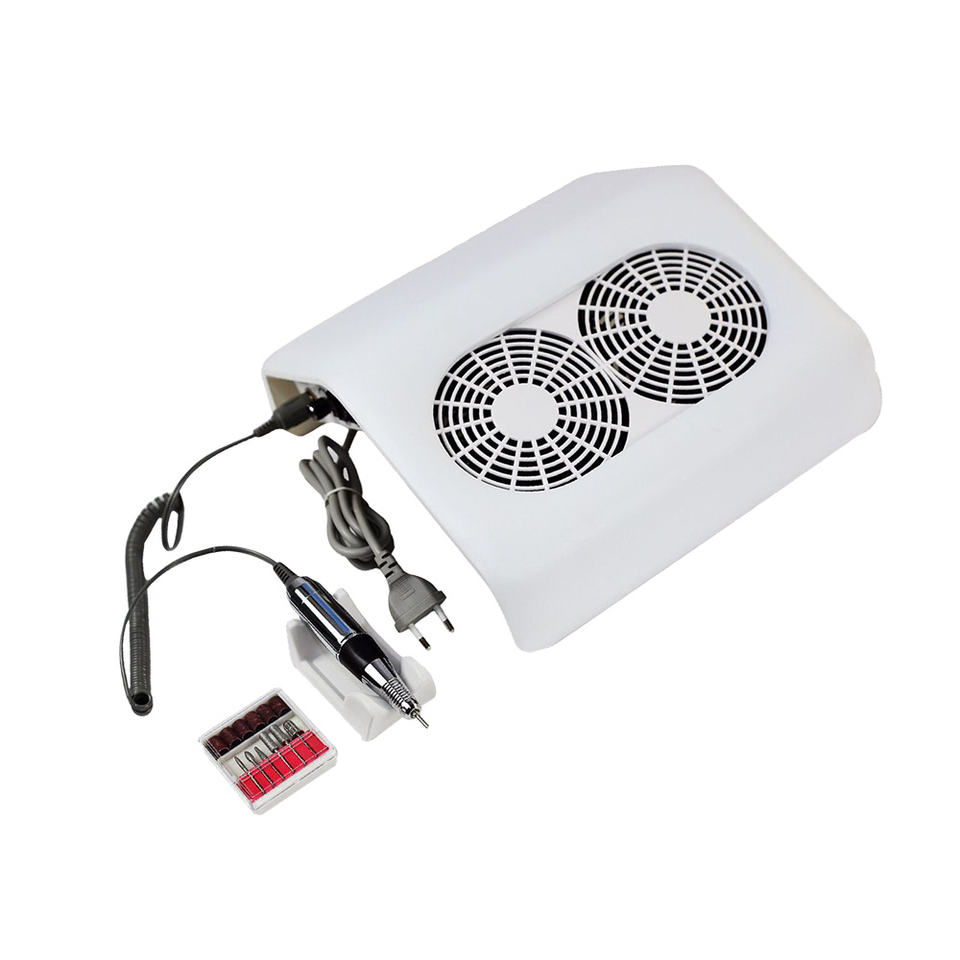 68w Nail Dust Collector Fan With Filter
 60w Nail Dust Collector With Bag Built In Table Easy To Collect
 2 In 1 Nail Drill Dust Collector Professional 30000rpm 60w
 45w Nail Dust Collector Large Suction With Filter
 Extensible Nail Dust Collector With Filter 40w
 2 In 1 Nail Drill Dust Collector Professional 30000rpm 40w



X
We use cookies to offer you a better browsing experience, analyze site traffic and personalize content. By using this site, you agree to our use of cookies.
Privacy Policy